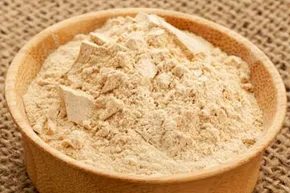
There is an old story from the Andes about pre-Incan farmers who noticed their livestock thriving when they ate a specific tuber. The herds became more fertile. The plant was maca root. Today, we call it Peruvian ginseng. It is in the same botanical family as mustard, cabbage, and broccoli. People have eaten it for thousands of years to boost memory, energy, and sex drive.
Now, the world is obsessed with its ability to help women conceive. But the science is more nuanced than the marketing suggests. Does it actually work? And if so, for whom?
The theory is straightforward. Maca is considered an aphrodisiac. If it increases the frequency of sex, conception odds go up. The root contains prostaglandins and sterols that may influence desire. However, most reports on these mood-enhancing effects are anecdotal. Real science points to other mechanisms. Chemical tests and rat studies have given us clearer insight into how this root affects male and female fertility differently.
Maca Root and Male Fertility
Maca (Lepidium meyenii) has a mat-like stem and scalloped leaves. That part is just decoration. The real action happens underground. The root looks like a radish. At the top of that root is the hypocotyl. This part comes in different colors.
Color matters. Black hypocotyls have the greatest impact on male fertility.
In a study where rats were given black maca, sperm count increased within just one day. This confirmed earlier findings in Peruvian men. In humans, the root improved both sperm production and sperm motility. Sperm motility is simply the percentage of sperm that can move forward effectively.
There is another protective effect too. Another study on rats showed that maca root prevented spermatogenic disruption related to lead exposure.
So, maca boosts sperm count. It helps them move. It might protect them from toxins. It also potentially acts as an aphrodisiac. For men struggling with fertility, this looks promising. But what about women?
Maca Root and Female Fertility
Women have used maca to relieve PMS and menopause symptoms for ages. But fertility is a different story. Most studies have focused on men. The research backing benefits for women is far less prolific.
Anecdotal evidence has long suggested the plant helps both sexes. Now, we have a small but notable scientific hint. That 2005 study mentioned earlier comes back into play. Researchers found that extract from yellow maca increased litter size in mice. This was the first scientific study to confirm maca’s influence on female fertility.
Is it a miracle cure? No. More research is needed to determine exactly how the supplement benefits women trying to get pregnant. But the results are encouraging.
Preconception Benefits of the Maca Root
All these findings suggest maca aids the reproductive system best when taken before conception. That seems obvious. But there are other ways the root prepares your body.
Overall health is a huge factor in fertility. Maca might help with that. It is believed to increase vitality in several ways:
- Increases energy and stamina
- Reduces fatigue and lethargy
- Boosts the immune system
- Provides essential minerals and nutrients, particularly iron and iodine
Iron is especially important for women. Pregnancy often leads to iron deficiency. Ensuring healthy iron levels before conception is a valuable step.
However, a word of caution. Some people have conditions that cause iron overload. While such illnesses are uncommon in women of childbearing age, you should not just start taking iron supplements blindly. Any woman seeking to increase her iron intake should first have her levels tested by a physician.
If you do decide to try maca, you will likely find it in capsule or powder form. If you ever eat the actual root, be prepared for a starchy, butterscotch-like taste.
So, where do we go from here? We have touched on the basics. But are there precautions you need to consider before popping a capsule?
Peruvians have consumed maca root for millennia. It’s a staple food in the Andes, eaten without incident. You can reasonably assume the raw vegetable is safe. But the supplement in your cabinet is a different beast entirely.
Most maca supplements come in capsules or powder. You’re buying processed goods. You don’t know what happened during that processing. Impurities can slip through. Wrong dosages can make it into the final product. It’s a gamble with every brand.
The U.S. Food and Drug Administration (FDA) doesn’t regulate supplements. They don’t check for purity before it hits the shelf. You have to be cautious.
Talk to your physician first. Always. Even if it’s just maca root. Get the green light from someone who knows your medical history. Then, pick your brand carefully. Stick to reputable dealers. Avoid the shady operators.
Why You Can’t Grow Your Own Maca Root
Wondering if you can skip the middle man? Try growing your own? Probably not.
Maca root is exclusive to the Andes. It has specific demands. It needs cold temperatures. It needs high elevation. It thrives in poor soil quality. Try growing it in your backyard in Ohio? You’ll likely fail. It’s a finicky crop. That’s why you buy it, not grow it.
Fertility Considerations
Many women turn to maca root for hormone balance and fertility support. The research is promising but incomplete. We need more data. If you’re trying to conceive, dig deeper. Look for studies specific to reproductive health. Don’t guess with your body.
We have more information on maca root and fertility coming up. Keep reading.