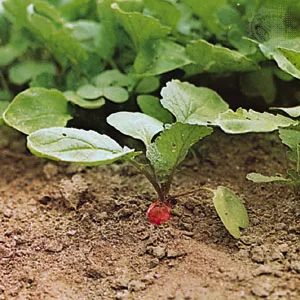
Radishes (Raphanus sativus ) are the unsung heroes of the produce aisle. They are annual or biennial plants from the mustard family (Brassicaceae), grown primarily for their large succulent taproot. Most likely hailing from Asia or the Mediterranean, they are now cultivated globally.
Here’s why they belong in your weekly shopping list.
Low-Calorie Crunch
Radish roots are incredibly low in calories. They are usually eaten raw, adding a crisp bite to salads and sandwiches. The young leaves? Don’t toss them. Cook them like spinach for a nutritious side dish. The young fruits are also edible. Eat them raw. Sauté them. Both ways work.
Flavor Profiles Explained
Not all radishes taste the same. The small spring varieties grow quickly. They have mild flesh that is crisp and moderately firm. These are great for subtle crunch.
The large summer and winter types grow slower. Their flesh is pungent and firm. The flavor is stronger. This isn’t a flaw. It’s a feature for those who like a kick.
Storage Tips
Winter varieties have a distinct advantage. They can be stored through the cold months. If you buy a large daikon or similar variety in late autumn, keep it cool. It will last. You get months of nutrition from one purchase.
How to Use Them
- Slice thin for salads.
- Chopped raw into salsas.
- Cooked young leaves in stir-fries.
- Sautéed young fruits for a quick side.
Why It Matters
They are simple. Accessible. Nutrient-dense. No fancy preparation needed. Just wash, slice, and eat.
Consider adding them to your next meal. The crunch is refreshing. The health benefits are solid. And they cost almost nothing.
What’s your favorite way to eat them? Raw? Cooked? Pickled? The options are open.
The Shape and Size of Your Radish
Radishes are annuals. You harvest them before they bother to flower. The leaves you see aren’t attached to stems in the usual way. They form a basal rosette that shoots straight up from the top of the root.
If you let it run its course, flower stalks appear. They usually show up in the first season. The flowers are white or have lilac veins. Four petals. Simple. The seeds live inside a pod called a silicle.
But you aren’t eating the flowers. You are eating the root.
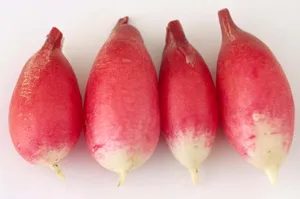
The shape changes based on the variety. Some are spherical. Others are long, cylindrical, or tapered. The skin color tells a story too. White. Yellow. Pink. Red. Purple. Black.
Size varies wildly.
Popular early varieties in America and Europe are tiny. A few grams. You can fit half a dozen in your palm. Then there is the Japanese daikon. That one can hit 1 kg. That is 2.2 pounds. A heavy root. A serious vegetable.