



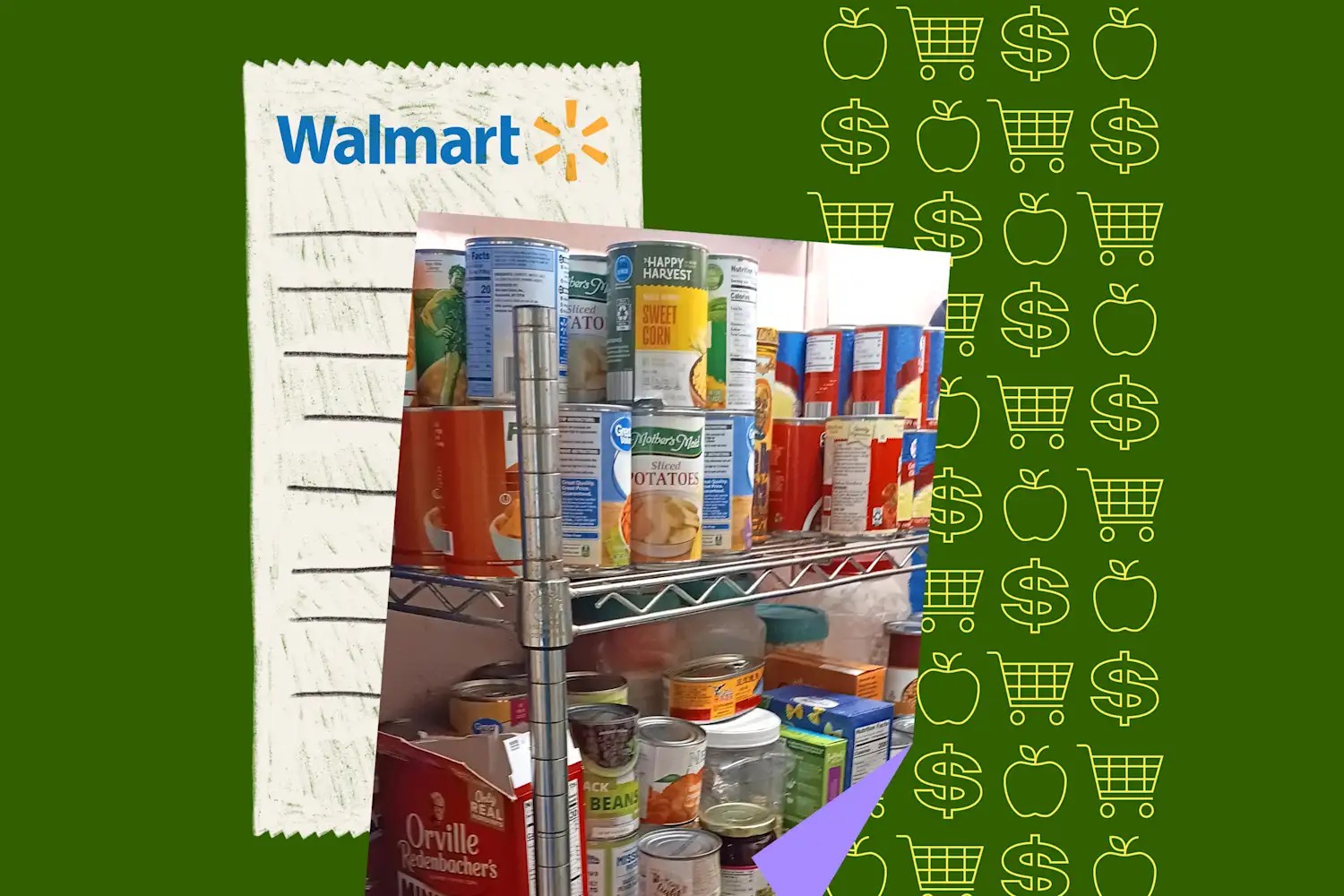
Багато хто вважає, що годувати сім’ю — це величезні витрати та нескінченні подорожі за продуктами. Я помилялася.
Робін, 31-річна фуд-письменниця та активістка з Дженіви, штат Нью-Йорк, доводить, що стратегія важливіша за зарплату. У її будинкуналежало сім дорослих. Це сім шлунків, які потрібно наповнити, сім апетитів, які потрібно задовольнити, та сім різних думок про те, що смачно.
Вона робить це, використовуючи бюджет на продукти, який сильно спирається на суспільні ресурси та закупівлю товарів оптом.
Минулого тижня вона витратила рівно $85,50.
Звучить неможливим? Поки що ви не подивіться на логістику.
Стратегія покупок: продуктові банки та оптові закупівлі
Робін купує продукти не в одному місці. Її маршрут включає місцеві продуктові банки (food banks), Costco, Wegmans та Walmart.
Фундамент її стратегії не магазин, а спільнота.
Раз на два тижні через район проїжджає мобільний пункт роздачі їжі від клубу Boys and Girls Club. Щомісяця вони поповнюють запаси базових продуктів у місцевій продовольчій банку. Вона навіть працює там волонтером. Це цикл взаємної допомоги, який дозволяє підтримувати повну кухню.
А потім є Costco.
Робін нещодавно оформила членство. Це змінило все. Купівля 20 фунтів борошна за один раз знімає тривогу з приводу того, що вона може закінчитися. Вона пече без паніки, створює контент без стресу. Жодних останніх хвилин перед закриттям магазину в Walmart за базовими інгредієнтами.
Але закупівля оптом – лише половина справи.
Інша половина – планування меню.
Троє людей несуть розумове навантаження щодо організації харчування. Батьки Робін готують. Робін веде облік продуктів, організує комору та відповідає за десерти. Вона використовує список покупок. Цифрові списки працюють погано. Товари забуваються. Папір надійніший.
Правило просте: мінімізувати відходи. Спочатку використовувати продукти із продовольчих банків. Будувати блюда навколо доступних білків. Іноді цим білком є боби. Чи не з ідеології. Заради виживання. Заради економії.
Чек: $85,50 на один тиждень
Ось деталізація. Жодної магії. Тільки математика та кілометри.
Безкоштовно (Продуктові банки та роздачі)
- Нектарини
- Томати
- Гриби
- Сир Velveeta
- Молоко
- Тортільї
- Боби рефритос
- Хліб
- Білий шоколад
- Гуакамоле
Costco: $33,48
- Борошно ($19,99)
- Піца ($13,49)
Wegmans: $43,22
- Сир чеддер ($12,49)
- Цибуля ($1,99)
- Часник ($1,40)
- Маргарин ($3,40)
- Сметана ($3,58)
- Ковбаса ($12,37)
- Тістечка (пиріжки з начинкою) ($7,99)
Walmart: $8,80
- Томатна паста ($0,86)
- Яйця ($4,32)
- Молоко ($3,62)
Разом: $85,50
Це $12,21 на особу за весь тиждень.
Неділя – Субота: що насправді їли?
Меню змінюється кожного дня. Все залежить від того, що залишилося в холодильнику і що привезли з роздачі минулого четверга.
Неділя
Бранч включає десерт з нектаринів з крихтою та яєчню-бахтанню. Секрет крихти? Сухе молоко. Воно створює хрустку скоринку. Вечеря – енчілади з яловичиною. У них була фарш із морозилки та тортильї з роздачі. Вони забігають у Wegmans за сиром та цибулею, потім у Walmart за томатною пастою. Чорні боби, гуакамоле та спеції закривають прогалини.
Понеділок
Хлібний пудинг на сніданок. Три буханці з роздачі. Гриби йдуть на підливу увечері. Замість свіжого молока використовують сухе молоко із комори. Додають бурий рис та заморожену кукурудзу. Десерт? Печиво з гарбузовими спеціями з роздачі.
Вівторок
Вівсянка на ніч з нектарин на сніданок. Обід – залишки від волонтерської роботи у програмі безкоштовного харчування. Куряча ніжка, начинка (stuffing), запечені овочі. Вечеря – піца. Чи не куплена, а приготовлена. Залишки соусу для енчіладу йдуть на тісто з крафтового хліба з роздачі. Начинка: чорні боби, консервована курка та гриби.
Середа
Сніданок: залишок коржика нан та хумус. Звучить дивно, але працює. Вечеря: чилі з італійською ковбасою. Спочатку вегетаріанське блюдо, але брати додали ковбасу з Wegmans. Квасоля пінто, корейські пластівці перцю, томати та спеції. Десерт: притлі в білому шоколаді.
Четвер
Яйця нарешті закінчилися. Похід у Walmart обов’язковий за яйцями та молоком. Слідом — омлет із грибами. Вечеря – лотерея. Пиріжки та imitation crabmeat (складове крабове м’ясо) з морозилки. Таке може повторитись не скоро. Додають часник, гриби та маргарин. День закінчується рештками прецелей.
П’ятниця
Волонтерство у літній програмі разом із мамою. Сніданок: круасан з глазур’ю. Обід: контейнер курячого салату із продуктової банки. Вечеря: індичкові бургери. Заморожений фарш з індички відтає на столі. Гарніри: кукурудза у вершках та консервована картопля з перцем.
Субота
День Costco. Сім’я їде 90 хвилин. Сніданок: два пончики (з’їдено лише один). Їжа у фуд-корті Costco: хот-дог, вода та печиво. Залишок йде на пізній десерт.
Реальність годування сімох дорослих
Це не відфотошоплена стрічка Instagram.
Це справжнє життя. Це 20 миль пішки заради волонтерства. Це обід залишками, коли ти голодний. Це залежність від мережі незнайомців, щоб ваші діти були ситі.
Робін не сприймає це як боротьбу. Вона бачить це як систему.
Систему, що економить гроші. Систему, що зменшує відходи. Систему, яка годує сім осіб менш як за $90.
Чи це легко? Ні.
Чи це ефективно? Так.
І наступного разу, коли ви переживатимете через ціну на борошно, згадайте цей 20-фундовий мішок у Costco. Він не має бути проблемою. Він може бути джерелом спокою.