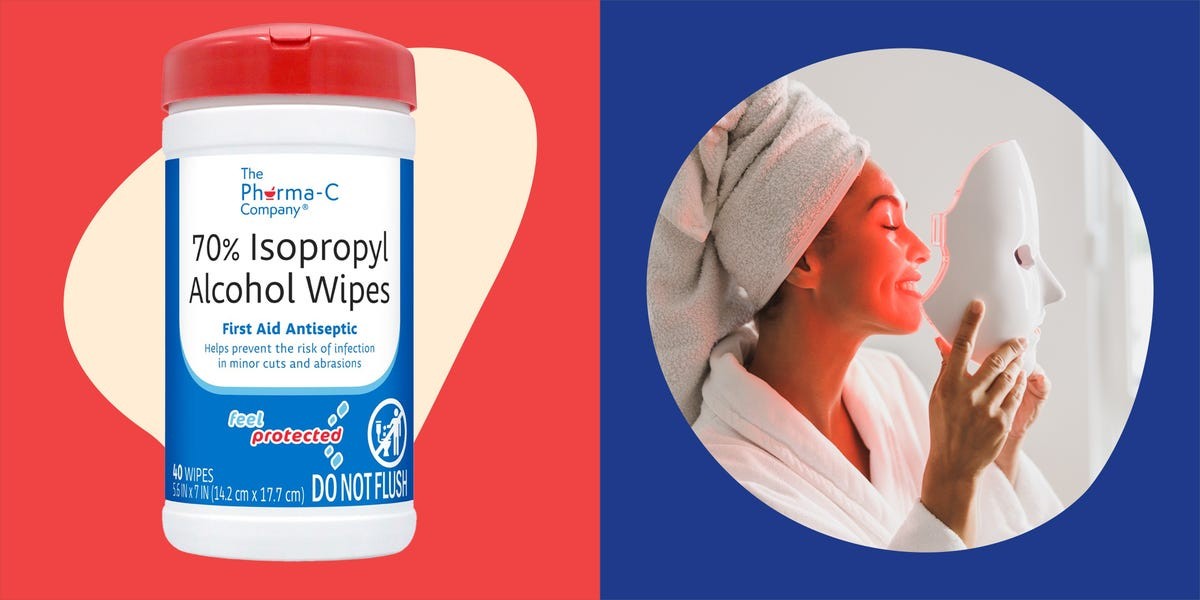
While red light therapy is a highly effective tool for anti-aging, acne reduction, and skin texture improvement, many users overlook one critical component of their routine: sanitization. Because LED masks sit directly against the skin, they can quickly become breeding grounds for bacteria, oils, and skincare residue.
Neglecting to clean your device doesn’t just risk your skin health—it can also diminish the effectiveness of the treatment itself.
Why Cleaning Your LED Mask is Essential
According to dermatologist Dr. Kseniya Kobets, a specialist in cosmetic dermatology, failing to clean your device can lead to several dermatological issues:
- Skin Infections and Irritation: Accumulated bacteria and sweat can cause acne, clogged pores, folliculitis (inflamed hair follicles), and rashes.
- Compromised Skin Barriers: Individuals with existing conditions like acne or rosacea are at higher risk. Their skin barriers are often already sensitive, making them more susceptible to irritation from a dirty device.
- Reduced Efficacy: A buildup of “film”—such as leftover moisturizer, heavy makeup, or natural oils—can act as a barrier, potentially preventing the LED light from penetrating the skin effectively.
Professional Cleaning Protocol
To maintain both your skin and your device, follow these dermatologist-recommended steps:
1. Consult the Manual First
Before applying any cleaning agent, always check the manufacturer’s instructions. Some high-end LED devices are sensitive to moisture or specific chemicals like alcohol, which could damage the electronic components or the mask material.
2. The Cleaning Process
If your manufacturer confirms that alcohol is safe for use:
– Power down and unplug the device completely.
– Wipe the device using an alcohol solution (ideally between 60% and 95% concentration for maximum germ-killing effectiveness).
– Allow it to dry completely before storing it or using it again.
3. What to Avoid
- Baby Wipes: While convenient, these often contain preservatives that can irritate the skin.
- Harsh Chemicals: Avoid bleach or abrasive cleaners, as these can degrade the device’s material and cause skin reactions.
Frequency: How Often Should You Clean?
Consistency is key to preventing bacterial overgrowth.
- After Every Use: Give the interior of the mask a quick wipe-down immediately after your session, especially if you have sweated during use. Even if you apply products to a bare face, natural oils and sweat will accumulate on the mask.
- Weekly/Monthly: Perform a more thorough cleaning of the straps and external components once or twice a month.
Warning Signs: Is Your Cleaning Method Working?
It is possible to clean a device incorrectly, which can lead to new problems. Watch for these red flags:
Skin Reactions and Residue
If you notice unexplained breakouts in the specific areas where the mask touches your face, or if your skin feels more reactive than usual, you may have a buildup of residue or be using an irritating cleaning agent. Additionally, a “cloudy” or streaky appearance on the mask indicates that skincare products are not being fully removed.
Device Degradation
A well-maintained device should feel smooth. Be alert if you notice:
– Stickiness: This usually means the device wasn’t dried properly between uses.
– Discoloration: Yellowing or dullness on the interior may indicate that your cleaning method is chemically degrading the material.
– Physical Damage: Cracking, peeling, or malfunctioning components suggest the device is reaching the end of its lifespan and may need replacement.
The Bottom Line: Taking a few extra seconds to sanitize your LED mask after every use protects you from bacteria like Staphylococcus aureus and ensures that the light therapy can reach your skin without obstruction, maximizing your investment in your skincare routine.