If you’re still treating parsley like a sad garnish left over from a restaurant order, you’re missing out. This hardy biennial herb, native to the Mediterranean, is actually a powerhouse ingredient that deserves a permanent spot in your pantry. Belonging to the carrot family, known scientifically as Petroselinum crispum, parsley has been a culinary staple for millennia. The ancient Greeks and Romans didn’t just toss leaves on their plates for decoration. They used it to flavor everything from fish to soups.
The flavor profile is mild but aromatic. It cuts through richness without overpowering it. That is why it pairs so well with fish, meats, salads, and sauces. You can use it fresh or dried, though the fresh leaves offer a brightness that dried versions simply cannot match. It is often the principal ingredient in bouquet garni and fines herbes, two classic French herb blends that rely on its subtle earthiness.
The Botanical Background
Parsley might look delicate, but it is tough. It thrives as a biennial, meaning it lives for two seasons. In its first year, it focuses on growing leaves. In its second, it bolts and produces flowers. This resilience is part of why it is so easy to grow in a home garden.
Taxonomically, it sits firmly in the Angiosperm division, under the order Apiales. Its family, Apiaceae, includes many other familiar herbs and spices. If you enjoy carrots, celery, or fennel, you already know the flavor profile of this plant family. Parsley shares that distinct, slightly peppery backbone.
- Kingdom: Plantae
- Division: Angiosperm
- Order: Apiales
- Family: Apiaceae
- Genus: Petroselinum
Physical Characteristics
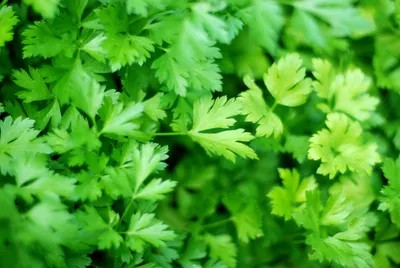
The leaves are the main event. They are bright green and come in two main varieties. The flat-leaf variety, often called Italian parsley, has a stronger, more robust flavor. The curly variety is more delicate and visually striking, which is why it became the go-to garnish in mid-century American restaurants.
The stems are thin and fibrous. They hold up well in soups and stews, adding depth without breaking down completely. The root of some varieties is also edible, though less common in everyday cooking. When you buy fresh parsley, look for vibrant green leaves. Avoid any that are yellowing or wilted. That is a sign it has been sitting too long.
“Parsley is not just a garnish. It is a flavor enhancer that bridges the gap between heavy meats and fresh vegetables.”
How to Use It in Everyday Cooking
You do not need a fancy recipe to make parsley shine. Toss chopped leaves into a tomato salad. Mix it into a simple vinaigrette. Stir it into mashed potatoes right before serving. The key is to add it at the end of the cooking process. Heat destroys its delicate oils. If you cook parsley for too long, it turns bitter and loses its brightness.
For dried parsley, the rules change. Dried herbs benefit from longer cooking times. Add it early in the simmering process for soups or sauces. But if you want that fresh, grassy
The Two-Year Lifecycle of Parsley
Parsley doesn’t just show up one season and leave. It’s a biennial. That means it spends its first year vegetative, building up energy underground. You harvest those compound leaves then. Deep green. Tender. Flat or curly, depending on your taste. If you’re farming on a small scale, you might not leave them. Many growers clear the field after the leaf harvest.
But if you let it go? It stays. It overwinters. And in that second season, it goes for the sky. Stalks rise a meter up. Three feet of green. Topped by umbels of tiny greenish-yellow flowers. Then come the seeds. They look like carrot seeds. Small. Fruit-like. No spines, though.
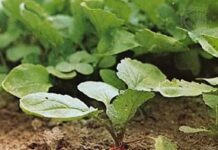
Getting started is the hard part. Parsley seedlings are weak. They struggle to push through heavy, crusty soil. It’s a frustrating start. But once they’re in? They’re resilient.
Apiol and Essential Oils
The flavor profile comes from less than half a percent essential oil. Most of that is apiol. It’s a pungent, oily, green liquid. Not much of it is needed to pack a punch in the kitchen.
Herbal Uses and Risks
Beyond the salad bowl, parsley has a history in herbal medicine. It’s been used to ease menstrual pain. Some traditional practices used it as an abortifacient. There’s also talk of anti-inflammatory properties.
But there’s a line between remedy and risk.
Ingesting parsley seed oil or consuming large amounts of other preparations can be dangerous. Potentially lethal. We’re talking organ damage. Hemorrhages. Peripheral nerve damage. It’s not a supplement to play with lightly.
Lookalikes and Cousins
If you’re digging for roots, look for Hamburg parsley. Turnip-rooted parsley. Petroselinum crispum, variety tuberosum. Popular in Europe. You grow it for that large white root. Looks like a parsnip.
And then there’s the confusion with cilantro. Coriander leaves (Coriandrum sativum ) look a lot like flat-leaf parsley. Sometimes called Chinese parsley. Don’t get them mixed up in the pot. They’re related, sure. But they’re not the same plant.