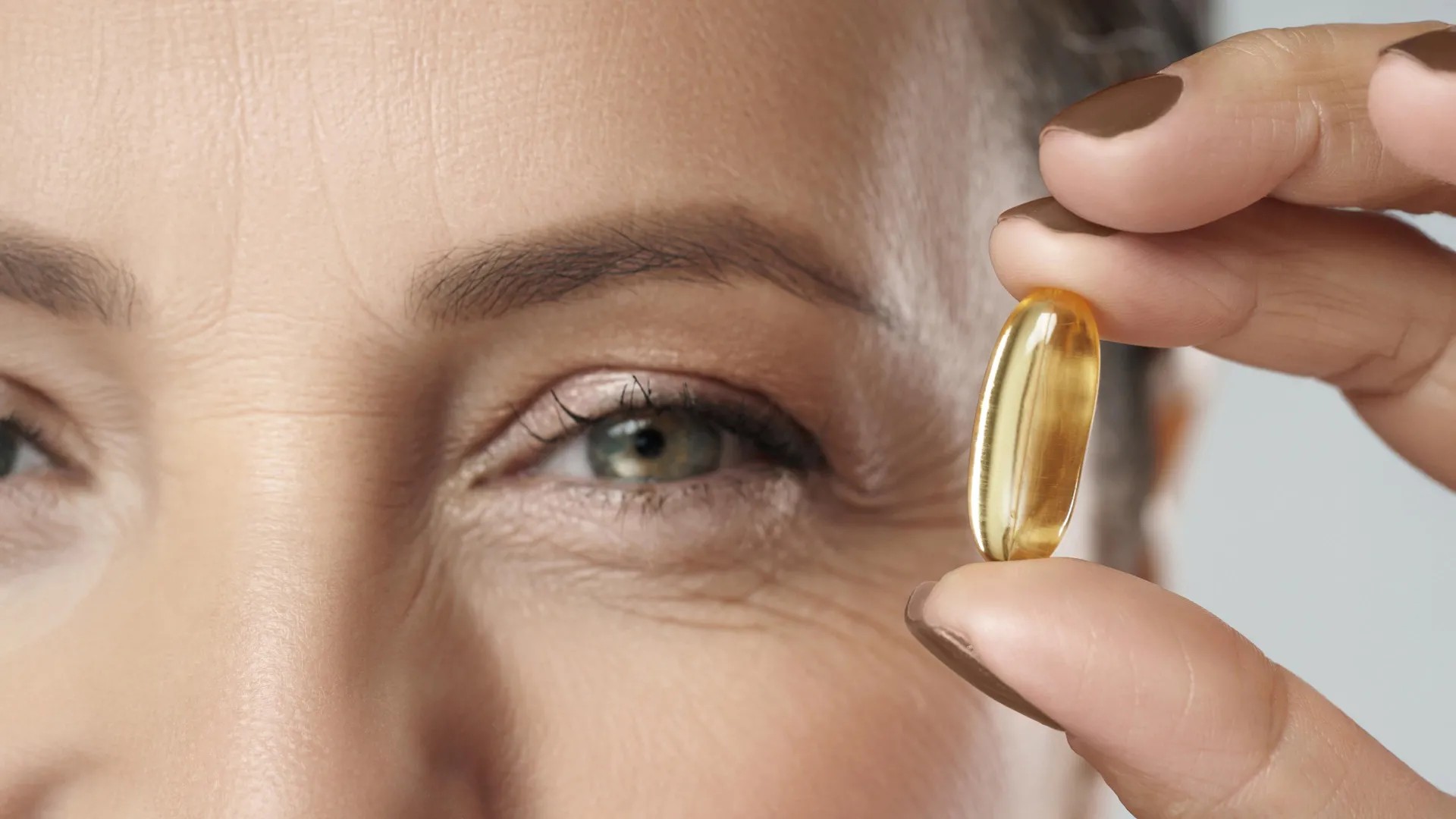
Millions of people pop omega-3s like candy.
They believe they’re buying time for their neurons. A buffer against the fog. But a new study from USC suggests those supplements are basically expensive placebos for brain health.
The research, published in eBioMedicine, tracked older adults at risk for Alzheimer’s. They wanted to know if fish oil helps memory.
It doesn’t.
Not in any measurable way.
It Got Into The Brain (So What?)
This was a two-year trial. Double-blind. Placebo-controlled. Rigorous stuff.
They looked at 365 adults, aged 55 to 80. Mostly people who don’t eat much fish. That matters because fish is where most dietary omega-3s come from. Almost half carried the APOE4 gene.
If you carry that, you’re rolling dice with Alzheimer’s. It’s the biggest known genetic risk for the late-onset kind.
Half got daily pills with 2,000 milligrams of DHA. That’s a potent dose. DHA is the omega-3 fat that actually lives in brain cells. The other half got sugar pills.
Here is the twist.
The researchers checked if the DHA could even cross the blood-brain barrier. A common fear was that the stuff never made it inside the skull.
It did.
DHA levels in the cerebrospinal fluid went up 17% after six months.
The delivery system worked.
Then Nothing Happened
You’d expect better scores on cognitive tests. Better memory retention. Less brain shrinkage.
None of that occurred.
The fish-oil group performed no better than the placebo group on thinking tasks. Two years of daily high-dose supplementation changed nothing in how these people processed information or recalled facts.
The scans were just as blunt.
The hippocampus is the brain’s memory center. It shrinks as we age. It shrinks faster with Alzheimer’s. The fish oil didn’t slow it down.
At all.
“We all wish there was a silver bullet,” Dr. Hussein Yassine told the team. “Our findings showed that fish oil supplements do no appear to protect brain health.”
Yassine is the director of the USC Center for Personalized brain health. He knows what everyone hopes for. A simple fix. A pill that stops the decline.
This isn’t it.
So Why Did We Waste Time?
Science usually builds on science. Previous hints suggested omega-3s might help. Now it seems context matters more than the compound itself.
Maybe the body just doesn’t use isolated DHA the same way it uses nutrient-rich food. The researchers suspect the Mediterranean diet works better than supplements.
The diet includes the fat and fiber, and other nutrients working in concert. You can’t bottle synergy in a gelatin capsule.
Dr. Yassine’s team is now digging into how the brain processes these fats. Does age matter? Genetics?
“Factors like poor health or dietary patterns may change the brain’s ability… to absorb and use omega-3s,” Yassine explained.
They’re trying to find ways to make the brain greedy. To make it actually take the nutrients instead of ignoring them.
Maintain Your Car
This feels depressing if you’ve been popping pills. But it shouldn’t surprise you. Biology isn’t an assembly line. You can’t just dump parts in and expect better performance.
Yassine used a car analogy that stuck with me.
Think of your lifestyle as car maintenance. Oil changes. Tire rotations. Ignoring the engine while expecting the car to run fast is dumb.
Skipping exercise and sleep is like skipping oil changes.
Staying healthy is the medicine.
Exercise. Good sleep. Real food.
The brain fails when the body fails. It’s connected tissue, not an isolated organ floating in jelly.
So keep doing what keeps your body alive.
Maybe save the cash on the pills.
Or maybe just buy salmon instead.