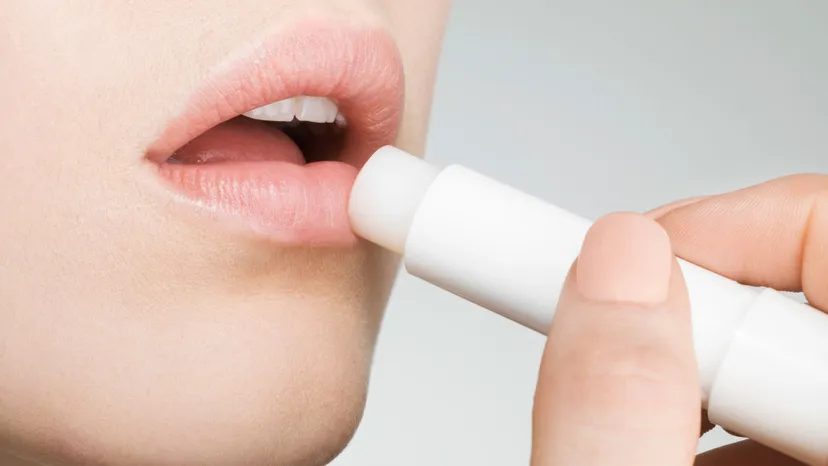
Your lips feel like sandpaper. You’re stuck in traffic or rushing to a meeting, and you realize your bag is empty. You pull over. You run into a store. You buy another tube. It’s a familiar loop for millions of women.
The constant need to moisturize lips is a real part of daily life for many. But here is the thing no one tells you clearly: some of those tubes are making the problem worse.
There is a debate among dermatologists about whether “lip balm addiction” is a real medical condition. It’s not quite a chemical dependency like nicotine. But it is a behavioral trap. Online support groups exist for people who feel trapped by their lip products. Manufacturers are even criticized for marketing fruity, tasty flavors to children, creating early habits that stick well into adulthood.
Of course, you can use lip balm responsibly. Chapped lips happen. Cold wind, bright sun, and dry air will dry out your skin regardless of what you do. So will personal habits like mouth breathing or constant lip-licking.
But when you do need relief, choosing the wrong ingredients creates a cycle of irritation. You apply the balm, it tingles, the dead skin peels off, and your lips get drier faster than before. You reach for the tube again.
This isn’t about fear. It’s about understanding what is in the tube and why your lips are reacting to it.
The Ingredients That Keep You Coming Back
Let’s address the rumors first. Lip balm does not cause cancer. The idea that these products are chock-full of carcinogens is false. It’s just noise.
The real issue with overuse isn’t toxicity. It’s irritation.
Some ingredients in lip balm prolong chapping. They create a sensation that tricks you into thinking your lips are healthy while they are actually being stripped. If you are applying balm every hour, check your label. You likely have phenol, menthol, or salicylic acid in there.
These ingredients cause a pleasant tingling. That tingle is your protective skin barrier dying. When those layers of dead skin peel off, your lips are left more susceptible to environmental damage. You apply more balm to soothe the rawness. The balm contains the irritant. The cycle continues.
Avoid products with added scents or flavors too. That chocolate or strawberry scent might seem innocent, but those flavoring agents can irritate the delicate skin of the lips.
What Actually Works
Your best bet is petroleum.
Petroleum-based balms work by sealing moisture in. They don’t exfoliate aggressively. They don’t sting. They simply protect. If your lips are dry, you need a barrier, not a chemical peel.
Go for natural, simple ingredients. If the ingredient list looks like a chemistry exam, put it back.
Lip Gloss and Sun Exposure
Lip gloss is different. It’s not necessarily “bad,” but it has a specific risk profile.
Some dermatologists warn that shiny lip glosses can make lips more vulnerable to ultraviolet (UV) rays. The shine might attract light, but the lack of protection invites sunburn. Sunburn on the lips isn’t just painful. It increases the risk of skin cancer in that sensitive area.
If you wear gloss, make sure it has an SPF of 30 or higher. Don’t guess. Check the label. A gloss without sun protection is just cosmetic makeup. With SPF, it’s skincare.
Is It Psychological or Physical?
There is no evidence of chemicals in lip balm causing a physical addiction. But the behavior? That’s real.
This is psychological dependence.
If you find yourself carrying a tube everywhere, if you can’t concentrate without soothing your lips, or if you feel genuine anxiety when you can’t find your balm, you have a habit. It’s similar to twirling your hair or biting your nails.
It becomes an unconscious routine. A comfort mechanism.
Breaking the Cycle
If you suspect you’re using balm too frequently, try this: replace the urge with water.
When you feel the need to apply, drink a glass of water instead. Hydrate from the inside out. It’s harder to notice the subtle dryness of your lips if you’re properly hydrated internally.
Also, look at the cost. How much have you spent on tubes in the last year? If you’re spending a significant amount of money on a product that is irritating your skin, you are literally paying to dry out your lips.
Signs You Need to Scale Back
How do you know if it’s a problem?
Listen to feedback. If friends, family, or coworkers have commented on your constant lip application, take note. They are seeing the behavior you’re normalizing.
Watch your spending. If you’re buying new tubes every few weeks because you “lost” them or “ran out” impulsively, that’s a sign.
Notice your focus. Does the dryness distract you from work or conversations? If your mind is constantly on your lips, it’s time to step back.
Overuse at worst dries out your lips and empties your wallet. It doesn’t cause cancer. But it does keep you stuck in a loop of irritation and application.
With conscious effort, you can break the habit. Switch to a simple petroleum balm. Hydrate more. Stop looking at your reflection every five minutes.
The lips will heal. The habit won’t break overnight, but it can break.
For more on preventing and conquering this dependency, look into the resources available online. The community is there. You aren’t alone in this.