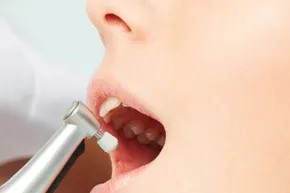
Smiling is contagious. It really is. When you feel confident about your teeth, that confidence radiates outward. It makes you look healthier. Younger. More approachable. But let’s be honest: life happens. Coffee. Wine. Cigarettes. Even just aging causes tooth enamel to thin, revealing the yellowish dentin underneath.
You might brush twice a day. You might floss religiously. You might even visit your dentist regularly. Yet, that yellow tinge persists.
Enter the drugstore aisle. It’s a maze of boxes promising to brighten your smile and, by extension, your life. The allure is strong. These over-the-counter (OTC) whitening products are cheap. They range from $10 to $35. Compare that to the hundreds of dollars for in-office polishing. They are convenient. You can wear them while washing dishes. Or mowing the lawn.
But here is the reality check: OTC products generally don’t whiten as much as professional treatments. They aren’t as consistent. And they don’t last as long. Still, for many people, home teeth whitening is safe and effective. The question isn’t if it works. It’s how. And whether it’s worth the risk.
The Two Ways Whitening Actually Works
If you are wondering how these products work, it boils down to two distinct mechanisms. One is mechanical. The other is chemical.
Method 1: Abrasion (The Surface Polish)
This is what most standard whitening toothpastes do. They don’t actually bleach your teeth. They scrub.
Toothpaste acts as a mild abrasive. It physically removes surface stains that accumulate on the enamel. Think of it like sanding down a piece of wood. You aren’t changing the wood’s color. You are just removing the dirt sitting on top of it.
Whitening toothpastes include specific agents to enhance this scrubbing action. But they lack bleach. They cannot change the fundamental color of your tooth structure. If your yellowing is internal, this method will do very little for you.
Method 2: Oxidation (The Chemical Bleach)
This is where the heavy lifting happens. Bleaching is a chemical process. It seeps into the tooth. It breaks apart the stains at a molecular level.
The active ingredients are usually carbamide peroxide or hydrogen peroxide. You’ll find them in sticky clear gels squeezed into mouth guards. Or as gel-coated plastic strips that stick to your front teeth.
The concentration typically ranges from 10% to 20%. Higher concentrations, specifically carbamide peroxide at 10% or above, may include fluoride. Why? To offset sensitivity.
Sensitivity is the primary complaint people have with whitening. It stings. It’s uncomfortable. If you experience tooth or gum irritation, stop using the product every day. Try alternating days. The irritation is usually temporary. But it can be a dealbreaker for some.
The Safety Checklist
Before you buy that strip or gel, ask yourself: Is this right for me?
It is always best to visit your dentist before starting any at-home whitening procedure. Not everyone is a candidate. There are hard rules.
- Crowns and Veneers: These do not bleach. If you have crowns, whitening will lighten your natural teeth but leave the crowns the same color. The result will be mismatched and ugly.
- Pregnancy or Nursing: Why risk ingesting chemicals or having them absorb into your system? Skip it.
- Recent Treatments: If you finished using a kit within the last few weeks, wait. Your teeth need rest.
For best results and safety, limit these products to once or twice a year. More isn’t better. It’s just damage waiting to happen.
Also, look for the ADA Seal of Acceptance. It’s a small checkmark that means the product has been tested for safety and efficacy. Don’t skip this step.
The Verdict
Over-the-counter whitening is a tool. It’s not a miracle cure. It won’t replace your dentist. But for surface stains and mild discoloration, it can be a cost-effective way to boost your confidence.
Just don’t expect Hollywood results. And if your gums bleed or your teeth scream, stop. Your smile is important. But your health is more important.
Keep it simple. Keep it safe. And when in doubt, call your dentist.