If you are dealing with breakouts, the industrial cosmetic aisle might not be your best friend. Pushing harsh chemicals into irritated skin often does more harm than good. There is a better way. You can use natural remedies. Some of these are even made at home.
Truc Mania has gathered nine practical tips. They help you address pimples directly. The goal is simple. Purify the pore. Eliminate the blemish. Help the skin heal faster.
Why Go Natural for Acne?
Standard acne creams often contain salicylic acid or benzoyl peroxide. These work, but they can strip the skin barrier. This leads to more oil production. A vicious cycle.
Natural ingredients offer a gentler path. They fight bacteria. They soothe inflammation. They support the skin’s natural recovery process. You are not just covering up the problem. You are treating the environment inside the pore.
The 9 Natural Strategies
Here is how to tackle those stubborn spots without reaching for the pharmacy.
-
Tea Tree Oil
This is a powerhouse for acne. It has antimicrobial properties. It kills the bacteria that cause breakouts. Dilute it before applying. Mix a drop with a carrier oil like jojoba. Apply directly to the spot. Do not skip the dilution step. It will burn if you do not. -
Honey
Not just for tea. Raw honey is antibacterial. It is also humectant. It draws moisture into the skin. This helps the wound close without cracking. Apply a thin layer as a spot treatment. Leave it on for twenty minutes. Rinse with warm water. -
Aloe Vera
If your skin is red and angry, aloe is your savior. It cools inflammation immediately. It speeds up cell regeneration. Use fresh gel from the plant if possible. Store-bought gels often contain alcohol. Alcohol dries out the skin. That triggers more oil. Choose 100% pure gel. -
Ice
Sometimes you just need to shut down the swelling. Ice constricts blood vessels. It reduces redness and size. Wrap ice in a clean cloth. Press it against the pimple for one minute. Do not apply ice directly to the skin. It can cause tissue damage. -
Green Tea
Green tea is rich in antioxidants. It fights free radicals. It also regulates sebum production. Brew a strong cup. Let it cool down. Soak a cotton pad in the liquid. Press it onto the area. Do this twice a day. -
Apple Cider Vinegar
This is a strong acid. It balances the skin’s pH. It kills bacteria. It must be diluted. Mix one part vinegar with three parts water. Apply with a cotton ball. It stings at first. That is normal. Stop if it burns too much. -
Neem Leaves
Neem is an ancient remedy. It is used for its antiseptic qualities. Crush fresh leaves into a paste. Apply to the affected area. It helps clear out infection. It also prevents new spots from forming. -
Turmeric
Turmeric contains curcumin.
Essential Oils for Acne: Why Lavender and Tea Tree Work
Stop treating every pimple like a crisis. Sometimes the solution is already sitting on your bathroom shelf.
I’m talking about two specific essential oils. You need them in your toiletry bag. Not for the smell, but for the immediate damage control they provide when a spot first appears.
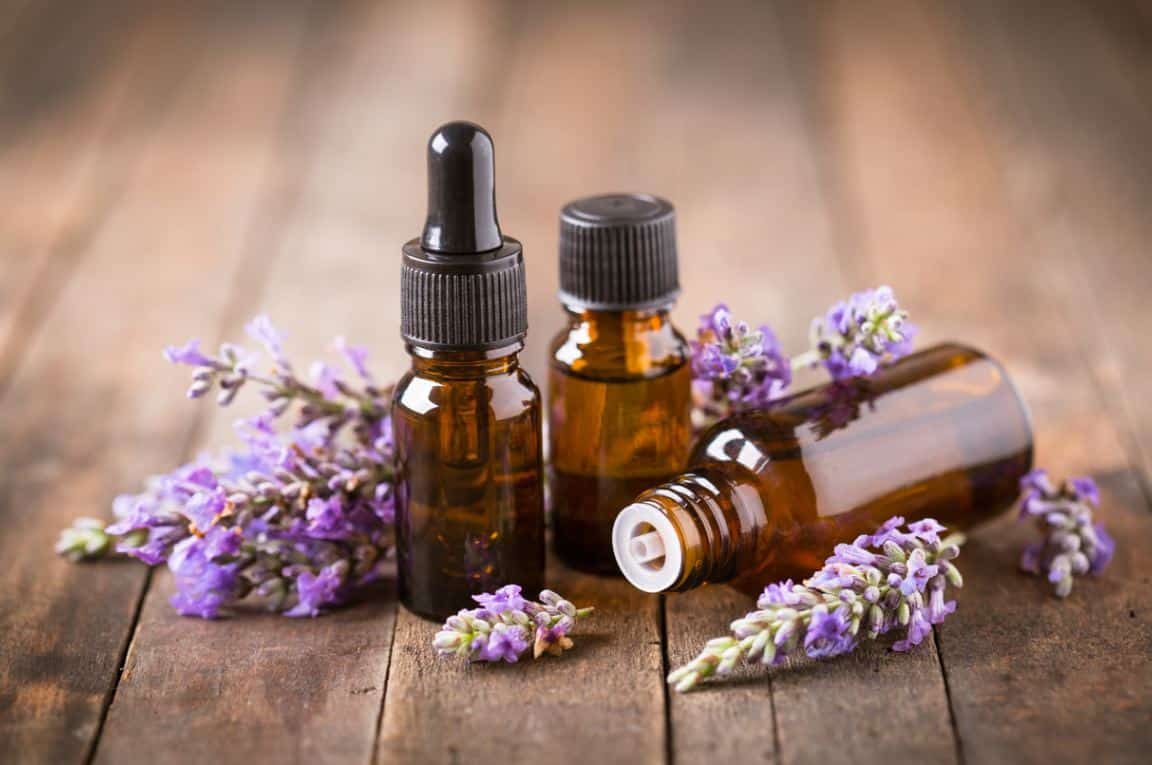
Lavender true oil is your first line of defense. It’s not just about looking pretty. This oil has serious anti-inflammatory properties. It soothes the skin. It helps wounds heal faster.
Here is the practical move: clean your face first. Then take a cotton swab. Dip it into the oil. Dab it directly onto the inflamed spot.
Or consider tea tree oil.
This stuff comes from Australia. It’s tough. It’s antibacterial. It’s antiseptic. It fights infection at the source. If you are dealing with acne-prone skin, this is the heavy hitter you want.
Like lavender, apply it with a cotton swab. But here is the difference. Tea tree dries things out. If you clean your face and gently exfoliate first, then apply the oil, you help the pore clear up.
You can do this multiple times a day. Don’t overthink it. Just keep it clean, keep it dry, and keep applying.
One warning though.
These are potent substances. Do not use lavender true or tea tree oil if you are pregnant. Do not use them on children. Not unless a specialist tells you it’s safe.
Your skin barrier is delicate. Essential oils are concentrated. Respect the potency.
Let’s talk about the liver. It’s the body’s silent workhorse, and when it gets overloaded, your skin screams about it. Enter desmodium, an African plant that doesn’t just sit there looking pretty. It actively helps regulate hormones and ensures your body actually uses stored fat for energy instead of letting it accumulate.
It also nudges digestion and, more importantly, helps liver cells regenerate. If your liver is clogged, breakouts are almost guaranteed. Desmodium clears the road.
Here is how you use it. Take 10 grams of the dried plant. Boil it in one liter of water for fifteen minutes. Strain it. Drink the liquid slowly throughout the day. Do this for three weeks straight.
Then stop. Take a break of equal length. You can repeat the cycle. There are no known contraindications, which makes it one of the safest bets for hormonal acne support.
The Toothpaste Hack That Actually Works
Before you roll your eyes, hear me out. Our grandmothers knew something we forgot. White toothpaste is a potent drying agent. If you pick a non-whitening variety with minimal fluorine and absolutely no microbeads, you have a spot treatment ready to go.
The goal is to mimic the pastes of yesteryear. Harsh chemicals do more harm than good here. You want simple.
Apply it to the pimple before bed. Cover it with a bandage to keep it in place and protect your pillowcase. Leave it overnight. The next morning, wash it off.
Do not overdo it. Toothpaste is drying. Use it too often and you’ll strip the skin barrier, causing more irritation than you started with. It is a quick fix, not a lifestyle.
Toothpaste is a quick fix, not a lifestyle. Use it sparingly to avoid stripping the skin barrier.
Green Clay for Deep Cleaning
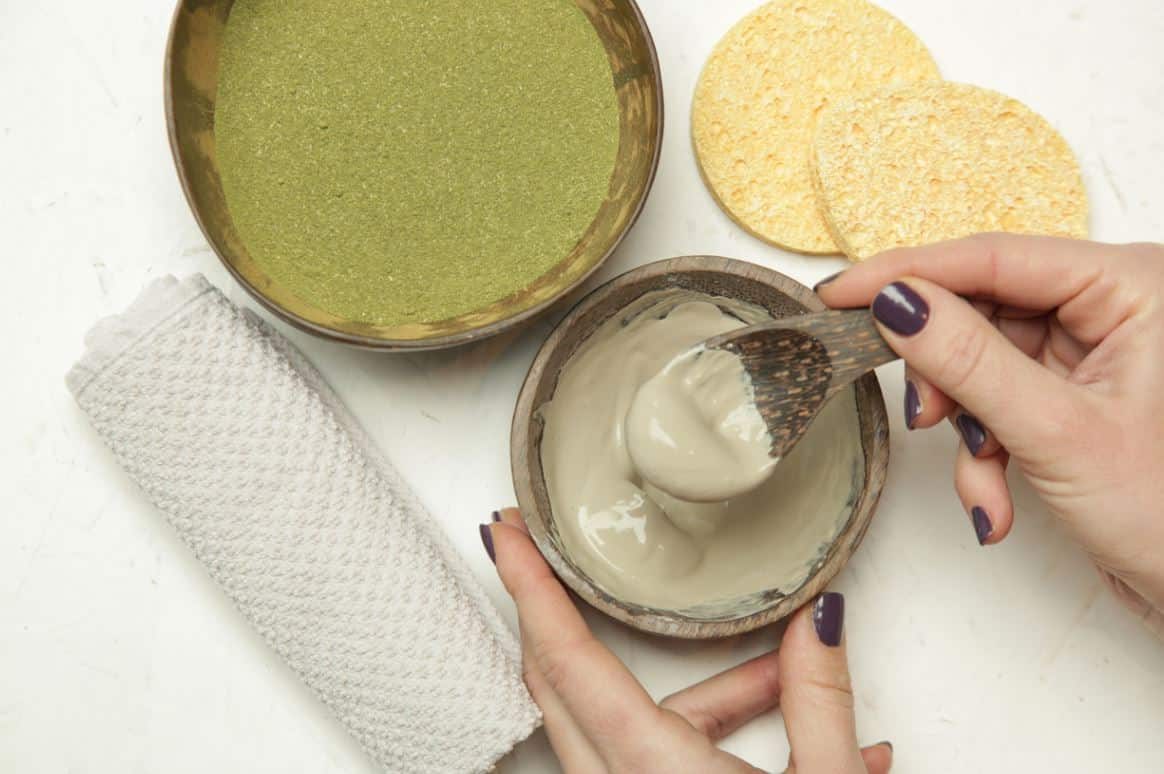
Green clay is an absorbent powerhouse. It sucks out impurities and regulates sebum production like a vacuum for your pores. But the way you mix it matters.
Use spring water. Tap water can introduce minerals that interfere with the clay’s natural anti-inflammatory and antiseptic properties. Spring water brings out the remineralizing benefits.
Also, drop the metal spoon. Metal can react with the clay and dull its effectiveness. Use a wooden spoon. Always.
Mix the clay with enough water to create a thick paste. Apply it to your face. Make it about half a centimeter thick. Let it sit for ten minutes. Rinse with clear water.
There is one hard rule here. Never apply green clay to an open wound. It will sting and it will delay healing. Stick to intact skin.
The liver works hard for us. It deserves support. The skin reflects that effort. Sometimes the simplest ingredients are the loudest.
Apple cider vinegar: The harsh reset
Grandma’s remedies aren’t just nostalgia. They work because they’re harsh.
Apple cider vinegar is a staple for a reason. It’s a powerful antiseptic. If you have a fresh pimple, don’t water it down. Dip a cotton ball in pure vinegar. Press it against the spot.
Leave it for a few minutes. The sting is real.
Then rinse with warm water.
It’s not for sensitive skin. But for a stubborn breakout? It cuts through the grease. It resets the pH. You might feel raw. It works.
Green tea bags: Cool compression
Keep that used tea bag.
Most people toss it. Don’t.
Green tea is an antioxidant powerhouse. It fights acne at the source. The heat opens the pores. The coolness closes them. It’s a two-step process in one sachet.
Steep the bag. Let it cool until it’s just warm to the touch.
Place it directly on the blemish. The tannins tighten the skin. The polyphenols reduce redness.
Wait a few minutes. Remove the bag. Rinse with clear water.
Your skin feels calm. The inflammation goes down. It’s simple. It’s effective. And you’re already throwing away the ingredients.
Burdock root: The internal detox
Sometimes the problem isn’t on the surface. It’s inside.
Burdock root is a heavy hitter. Dermatologists use it to protect the skin from toxins. It’s a detoxifier. If you have purulent or weeping acne, this might be the fix.
Here is the recipe:
- 750 milliliters of mineral water
- 6 grams of fresh burdock root (dried works too)
Boil the water. Add the roots. Simmer for ten minutes.
Let it sit for fifteen minutes. Strain it through a fine mesh.
Drink this throughout the day. Do it for a month.
But stop if you have kidney stones. Pregnant or breastfeeding women should avoid it. Check with a doctor first.
It’s not a quick fix. It’s a cleanse.
Aloe vera: The daily hydrator
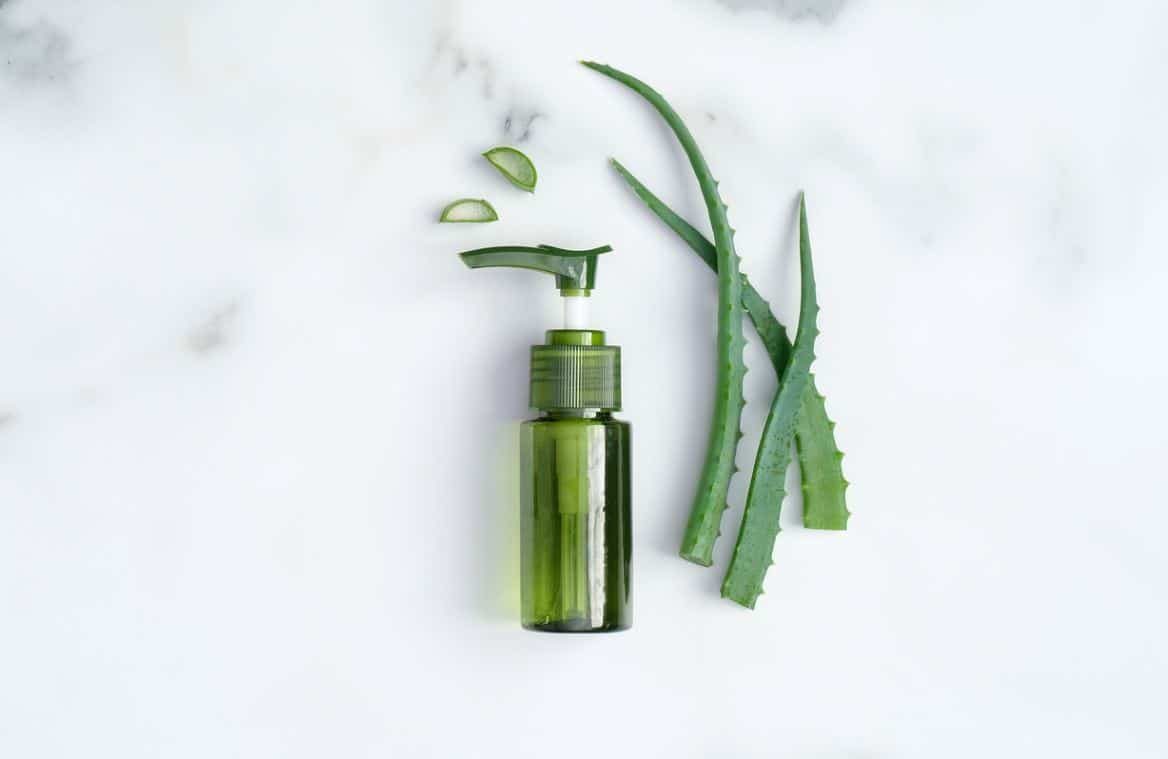
Aloe vera gel is non-negotiable.
It hydrates without the grease. Most acne treatments dry you out. They strip the barrier. Aloe replaces what’s lost.
It comes from the inner leaf of the plant. The part that’s clear and gelatinous.
The properties are three-fold.
Anti-inflammatory. Soothing. Healing.
Massage it into your face. Use circular motions. Let it sink into the epidermis.
You can mix it into homemade masks too. It regulates sebum production. Your skin stops overproducing oil to compensate for dryness.
It’s daily maintenance. Not a cure. But it keeps the canvas healthy.
Why natural isn’t always safe
We assume “natural” means “safe.” It doesn’t.
Burdock root has contraindications. Vinegar burns.
These remedies require respect. They aren’t magic. They’re chemistry.
Know your skin type. Test a small patch. Don’t rush the process.
If your acne doesn’t fade? See a dermatologist. These tricks are tools. Not replacements for medical advice.
Your skin is an organ. Treat it with care.
The DIY Lavender Toner Recipe That Actually Works
Stop buying overpriced floral waters. You can make one at home that is genuinely effective. It combines the anti-inflammatory properties of lavender with the purity of boiled water. The result is a gentle, anti-infectious toner that feels like a spa treatment in your bathroom cabinet.
Here is how to get it right.
You need three simple ingredients: dried lavender flowers, mineral water, and a bit of patience. Specifically, grab three tablespoons of dried lavender. Pour 200 milliliters of boiling water over them. Let it steep. This isn’t just tea; it’s extraction. You are pulling out the beneficial compounds from the plant matter.
Once the infusion has cooled enough to handle, strain it. Use a fine sieve to catch every speck of flower. The liquid needs to be clear. Pour it into an opaque bottle. Light degrades the active ingredients, so keep it dark. Airtight is non-negotiable.
Storage matters. This homemade lavender water lasts about ten days. Keep it in the fridge. The cold temperature extends its life and adds a refreshing tingle when you apply it.
Apply it with a cotton pad after you remove your makeup. It’s the perfect finishing step to soothe skin and tighten pores without stripping natural oils.
Why This Beats Store-Bought Options
Most commercial toners are filled with preservatives and stabilizers that last for years. Yours lasts ten days. Why? Because it’s fresh. The anti-inflammatory benefits are potent because the lavender hasn’t been sitting on a shelf for months.
Think about how much you spend on “soothing” mists. They often contain alcohol or fragrances that irritate sensitive skin. This DIY version contains neither. It’s pure. It’s clean. It’s lavender.
If you have acne-prone skin, the anti-infectious properties help. If you have redness or rosacea, the anti-inflammatory effect calms the flush. It’s a simple swap that costs pennies compared to boutique brands.
Make a batch tonight. You’ll wake up to skin that feels balanced. Not perfect. Just balanced. And that’s usually enough.