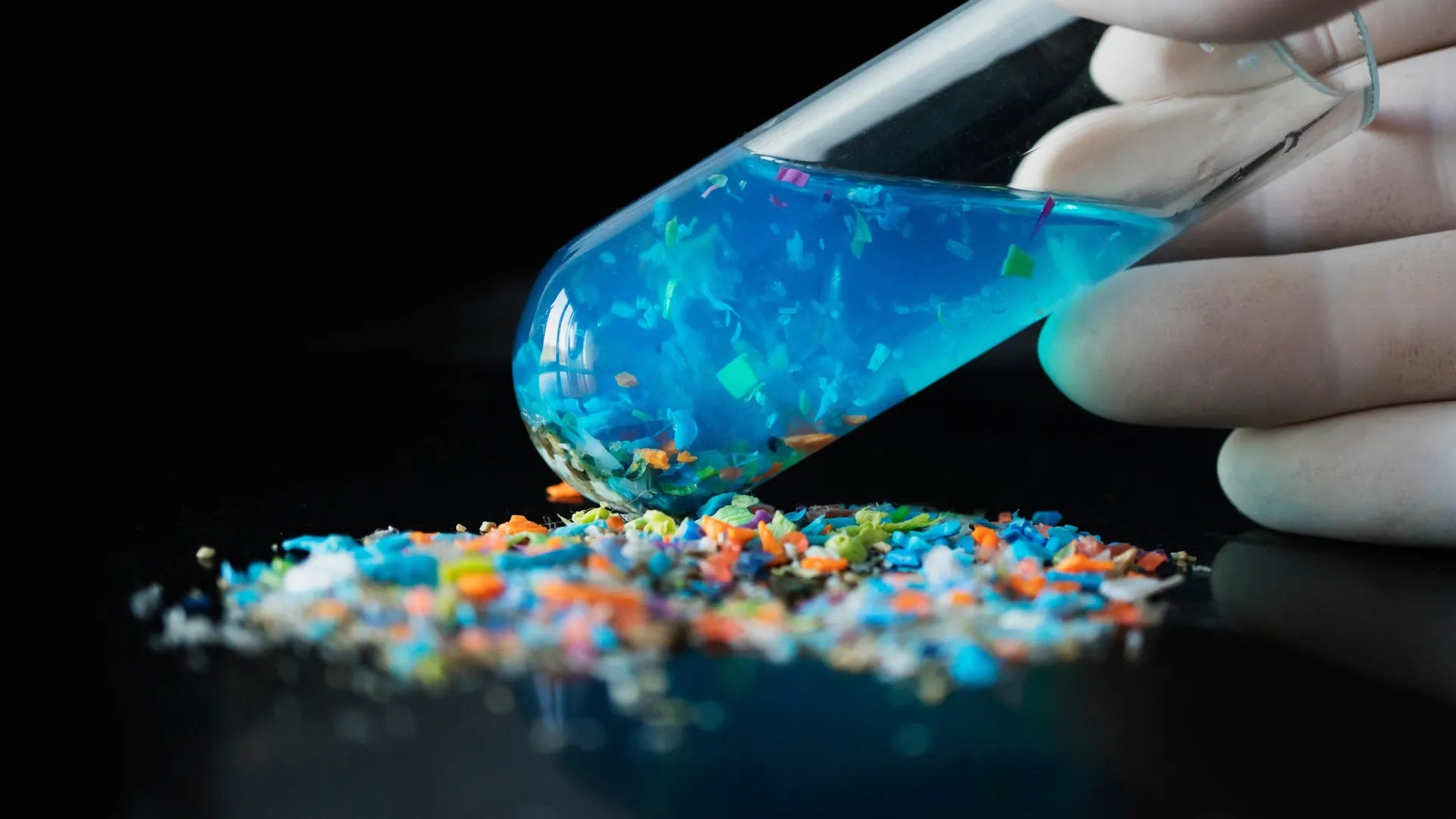
Microplastics, pervasive pollutants now found in nearly every environment, have been detected deep inside human bones, raising serious concerns about their potential impact on skeletal health. A comprehensive review of 62 scientific articles, supported by research from FAPESP and published in Osteoporosis International, reveals that these microscopic plastic particles are not merely present in the bloodstream, brain, and placenta, but actively interfering with bone function.
How Microplastics Enter the Body and Reach Bones
The sheer ubiquity of microplastics makes exposure unavoidable. They detach from everyday objects like curtains, furniture, and clothing, becoming airborne or contaminating water and food. Inhalation, ingestion, or skin contact allows these particles to enter the body. Once inside, they accumulate in various tissues, including bone marrow.
Impaired Bone Health: The Science Behind the Threat
Studies indicate that microplastics disrupt bone health in multiple ways. They impair bone marrow stem cell function, promoting the formation of osteoclasts, cells responsible for breaking down bone tissue. This accelerated bone resorption leads to:
- Reduced cell viability: Microplastics directly harm bone cells, weakening their ability to survive.
- Premature aging: Cells exposed to microplastics age faster, increasing fragility.
- Inflammation: The presence of foreign plastic triggers inflammatory responses that further degrade bone tissue.
- Growth Disruption: In animal studies, microplastic exposure halted skeletal growth.
The Link to Osteoporosis and Fractures
The rising global prevalence of osteoporosis-related fractures is a growing public health concern. The International Osteoporosis Foundation (IOF) projects a 32% increase in these fractures by 2050. Researchers now suspect that microplastic exposure may be a contributing factor. The potential for these particles to accumulate in bone marrow and disrupt its metabolism is particularly alarming.
Ongoing Research and Future Implications
Scientists are launching studies to confirm the connection between microplastic exposure and metabolic bone diseases. Using animal models, they will assess the impact of microplastics on femur strength. If proven, microplastics could be identified as a controllable environmental factor behind the projected rise in bone fractures.
“Although osteometabolic diseases are relatively well understood, there’s a gap in our knowledge regarding the influence of microplastics on the development of these diseases. Therefore, one of our goals is to generate evidence suggesting that microplastics could be a potential controllable environmental cause.” – Rodrigo Bueno de Oliveira, Laboratory for Mineral and Bone Studies in Nephrology (LEMON) at FCM-UNICAMP.
This research highlights a previously underestimated threat to skeletal health. While lifestyle factors such as exercise and diet remain crucial for bone strength, the emerging evidence suggests that reducing microplastic exposure may become increasingly important in preventing bone complications in the future.