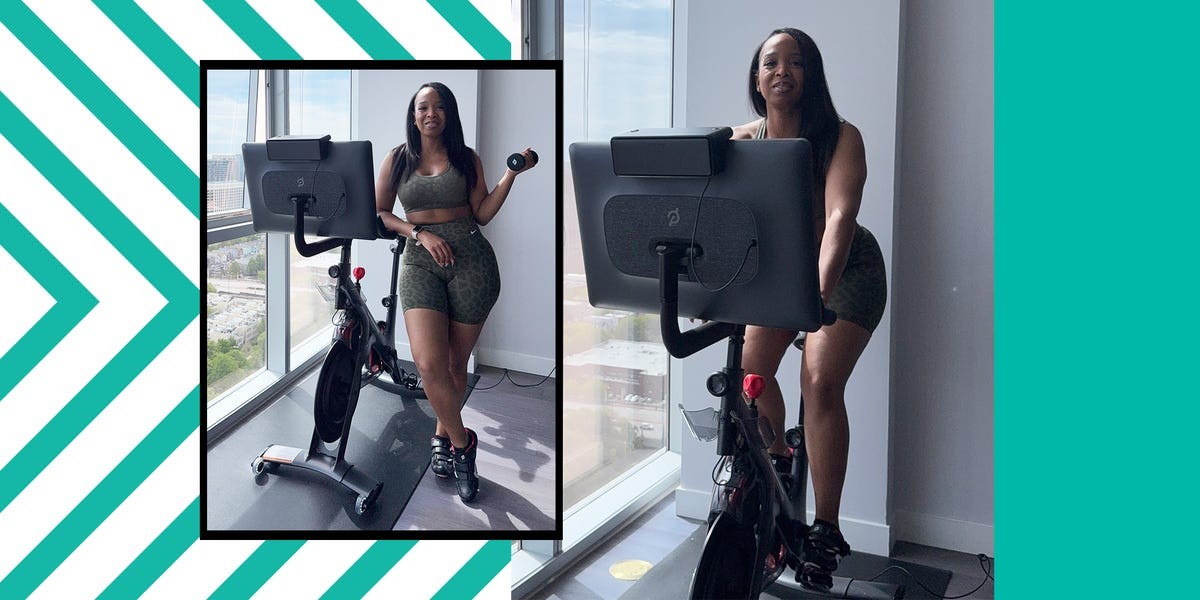
Peloton has long dominated the connected fitness space with its high-energy instructors and community-driven classes. Now, the company is pivoting toward artificial intelligence with Peloton IQ, a system designed to act as a built-in coach. By using the camera on its Bike+ to track movement, count reps, and offer real-time form corrections, Peloton is attempting to bridge the gap between solo home workouts and personalized training.
As a certified personal trainer, I tested this technology for a week to determine if AI can genuinely enhance workout effectiveness or if it remains a novelty feature. While the system offers impressive structural guidance, it still falls short of replacing human intuition.
How Peloton IQ Works
Peloton IQ is not a universal feature across all content; it is specific to classes designed to utilize camera tracking. This primarily includes strength, Pilates, and certain cross-training sessions. For cycling, the system relies on traditional metrics like cadence and resistance rather than visual form analysis, as the camera cannot capture the rider’s full body.
The setup is intuitive. Once powered on, users can toggle the feature on or off depending on their preference. The interface integrates seamlessly with the existing library, offering a mix of low-impact rides, HIIT, and strength routines ranging from 10 to 45 minutes. While some strength classes require dumbbells (sold separately or sourced personally), the core experience is designed to be accessible even for those intimidated by complex tech setups.
The Strengths: Real-Time Feedback and Visual Cues
The most significant advantage of Peloton IQ is its ability to provide immediate, visual feedback that mimics a mirror or a spotter.
- Form Correction: During lower-body exercises like squats and lunges, the AI successfully identified pacing issues. If I rushed through repetitions, the system prompted me to slow down, ensuring better control and muscle engagement. However, it struggled with subtle positional adjustments, indicating limitations in its granular analysis.
- Side-by-Side Visualization: The standout feature is the screen overlay that places your camera feed next to the instructor’s demo. This allows for real-time comparison of posture and alignment, which is particularly beneficial for floor-based Pilates and strength work. It creates a “mirror effect” that helps users self-correct without needing a second opinion.
- Performance Tracking: The system monitors pace and effort, suggesting when to increase resistance or weight. For users who struggle with self-regulation, these prompts provide a structured path to progressive overload, removing the guesswork from intensity management.
- Hands-Free Control: Voice commands allow users to adjust resistance or pause workouts without touching the screen. This maintains workout flow, especially during strength circuits where putting down weights to interact with a touchscreen is inconvenient.
The Limitations: Lack of Nuance and Accuracy
Despite its innovations, Peloton IQ exhibits clear shortcomings that prevent it from replacing human coaching.
- Inaccurate Rep Counting: Even with clear camera visibility, the AI occasionally miscounted repetitions. In one instance, it registered 12 reps when only 10 were performed. This inconsistency can undermine progress tracking, which is critical for strength training.
- No Personalization for Fatigue or Injury: The algorithm bases suggestions on performance data, not physical sensation. It may prompt users to push harder when they are experiencing fatigue or pain. Crucially, there is no option to input injuries or limitations, meaning the system cannot offer modifications or safer alternatives for users with specific physical constraints.
- Generic Feedback: The guidance is foundational rather than tailored. It lacks the contextual understanding a human trainer provides, such as recognizing when a user is mentally checked out or physically compromised.
Who Is This For?
Peloton IQ is best suited for intermediate users who have a baseline understanding of proper form but need external cues to maintain structure and intensity. It is particularly useful for those who:
* Struggle with self-motivation and pacing.
* Want to ensure they are performing exercises with controlled tempo.
* Enjoy the convenience of hands-free operation.
However, beginners or individuals recovering from injuries should exercise caution. Without human oversight, the risk of improper form or overexertion increases. The system is a tool for enhancement, not a substitute for professional assessment.
Conclusion
Peloton IQ represents a significant step forward in connected fitness, offering a level of interactivity and feedback that was previously impossible in home workouts. It effectively removes guesswork and encourages intentional movement. Yet, it remains a supplement, not a replacement, for human coaching. To get the most out of this technology, users must listen to their bodies, prioritize form over AI prompts, and understand that true progress requires a blend of technological aid and personal awareness.