Cooking pasta seems simple, but it is easy to fall into habits that strip the dish of its texture, flavor, and soul. While modern cooking standards have improved—moving away from the era of mushy, overboiled noodles—many fundamental errors still persist in home kitchens.
To ensure your next meal is a culinary success rather than a “pasta crime,” avoid these ten common pitfalls.
1. Adding Oil to the Boiling Water
A common myth suggests that adding oil to the pot prevents pasta from sticking. This is a waste of resources. Oil does not prevent sticking; instead, it coats the noodles, making them slippery and preventing the sauce from adhering to the pasta later.
* The Fix: If you are worried about sticking, simply stir the pasta during the first few minutes of cooking.
2. Breaking Long Pasta
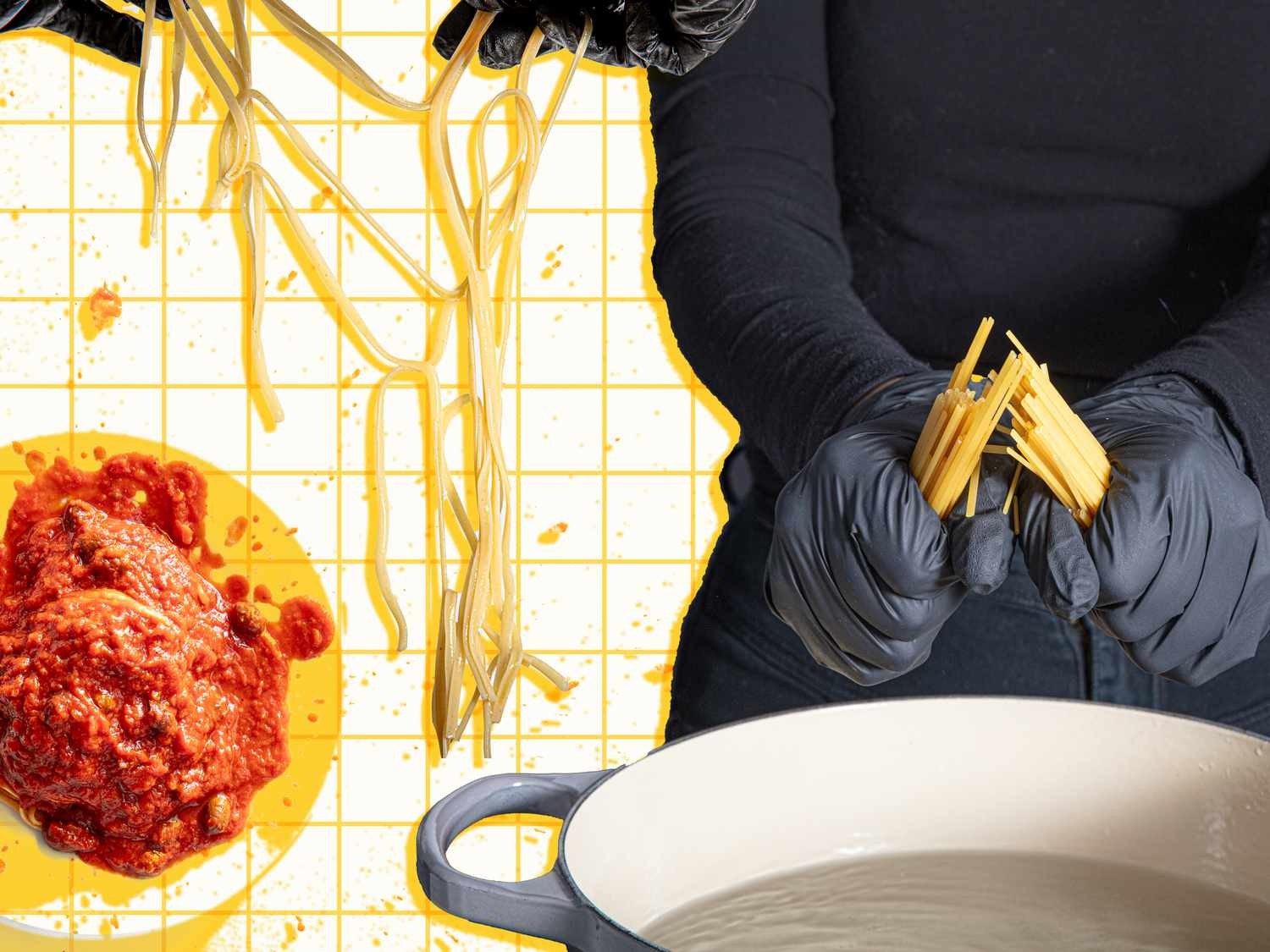
Whether it is spaghetti or linguine, breaking long noodles to fit them into a pot is a mistake. Every pasta shape is designed with a specific purpose and “soul” in mind. If you want short noodles, buy short noodles.
* The Exception: The only notable exception to this rule is candele, which is traditionally broken.
3. Rinsing Pasta After Cooking
Many people drain their pasta in a colander and then rinse it under cold tap water. This is a major error for two reasons:
1. Loss of Starch: You wash away the valuable starchy coating that helps sauce cling to the noodle.
2. Loss of Liquid Gold: You throw away the starchy pasta water, which is essential for emulsifying sauces.
* The Fix: Drain the pasta, but keep a bit of that starchy water to help bind your sauce.
4. Serving Sauce on Top of Plain Pasta
Placing plain, wet pasta on a plate and then spooning sauce over it results in a watery, unappetizing mess. For the best results, the pasta and sauce should meet in the pan.
* The Goal: Aim for a “marriage” where every strand is thoroughly glazed in sauce.
5. Assuming Fresh Pasta is Always Superior
There is a misconception that fresh pasta is inherently better than dried pasta. In reality, they are simply different. Fresh pasta is delicate and pairs with specific, lighter sauces, whereas dried pasta (made from semolina) offers a different texture and durability.
* The Reality: Unless you are an expert, high-quality dried pasta often outperforms mediocre fresh pasta.
6. Overcooking the Noodles
If your pasta is pale, swollen, and falls apart at the touch, you have overcooked it. This results in a mushy texture that lacks the satisfying bite characteristic of a well-made dish.
7. Undercooking (The “Too Al Dente” Debate)
While al dente (firm to the bite) is the gold standard, there is a fine line. If the pasta is so undercooked that you are biting into hard, raw starch, it has gone too far. Aim for a firm texture that is still fully cooked through.
8. Using Pre-Grated Cheese
Convenience often comes at the cost of flavor. Pre-grated cheeses—especially shelf-stable brands—are often old, flavorless, and contain anti-clumping agents like cellulose (which can feel like sawdust on the tongue).
* The Fix: Buy a block of high-quality Parmigiano-Reggiano or Grana Padano and grate it yourself right before serving.
9. Drowning the Pasta in Sauce
There is a difference between a pasta dish and a soup. While some dishes are meant to be brothy, a standard pasta dish should be “dressed,” not “drowned.”
* The Rule: Use just enough sauce to coat the pasta generously. You want a glaze, not a puddle of liquid at the bottom of the bowl.
10. Forgetting to Stir
Dropping pasta into a pot and walking away is a recipe for disaster. Without occasional stirring, the noodles will clump together into dense logs that cook unevenly.
* The Fix: Stay present. Give your pasta a few good stirs during the cooking process to ensure every piece remains independent and perfectly cooked.
Summary: Great pasta relies on the relationship between starch, sauce, and texture. By respecting the shape of the noodle, preserving the starchy water, and avoiding processed shortcuts, you can transform a simple meal into a professional-quality dish.