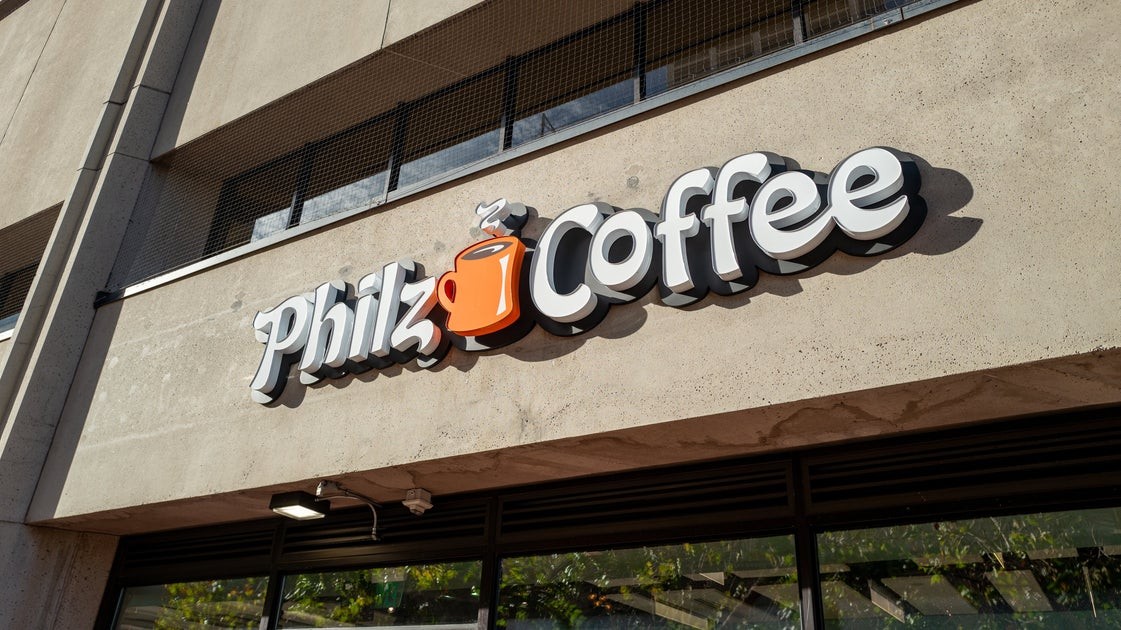
San Francisco-based coffee chain Philz Coffee is facing significant pushback from its own staff following the company’s decision to remove Pride flags from all its retail locations nationwide. The move has sparked an internal movement, with employees arguing that the removal undermines the company’s commitment to inclusivity.
The Conflict: Decor vs. Identity
The decision to strip the flags from store walls has prompted a petition led by “Philz Coffee Baristas.” As of Thursday, the petition has garnered over 2,600 signatures, calling on leadership to reinstate the flags.
The employees argue that the flags serve a purpose beyond mere decoration. According to the petition, the visual presence of the Pride flag is a “powerful demonstration” of a business’s role in fostering inclusivity. By removing them, staff members claim the company risks alienating both loyal customers and a core group of employees who view the brand as a safe and celebratory space for the LGBTQ+ community.
Management’s Stance: Seeking “Consistency”
In response to the growing outcry, CEO Mahesh Sadarangani defended the decision, framing it as an effort to standardize the brand’s aesthetic.
“This is a change in how our stores look, not in who we are,” Sadarangani stated in a comment to HuffPost.
The CEO emphasized that the company’s allyship is defined by its internal culture rather than its physical decor. He cited the following as evidence of their ongoing support:
– Hiring practices that prioritize diversity.
– Internal treatment of staff members.
– The annual Pride Month “Unity” celebration, which the company intends to continue every June.
Sadarangani described the removal of various flags and decorations as a step toward creating a “more consistent, inclusive experience” across the entire chain.
A Pattern of Internal Friction
The current controversy over Pride flags is the latest in a series of tensions between Philz Coffee leadership and its workforce. This friction highlights a broader trend where employees expect corporate social values to be reflected in visible, public-facing actions, while management often prioritizes brand uniformity.
Previous flashpoints at the company include:
* 2020 Labor Disputes: Following protests regarding police brutality, a store manager was terminated after criticizing a police discount on Instagram. Concurrently, 181 employees were laid off following reports that social distancing protocols were not being enforced.
* 2023 Political Tensions: Five employees were reportedly sent home from their shifts for wearing pins in support of Palestinians.
While the company’s founders, Phil and Jacob Jaber, are of Palestinian descent, they stepped away from daily operations in 2021, with Sadarangani taking the helm.
Context: The San Francisco Factor
The decision carries particular weight because Philz Coffee is headquartered in San Francisco, a city that has served as a global epicenter for the LGBTQ+ rights movement for over 50 years. In such an environment, the removal of symbols associated with queer identity is often perceived not just as a branding shift, but as a retreat from the local cultural fabric.
Conclusion
Philz Coffee finds itself caught in a debate over whether corporate inclusivity is best expressed through internal policies or visible public symbols. The ongoing tension suggests a growing divide between management’s desire for brand consistency and employees’ demands for symbolic solidarity.