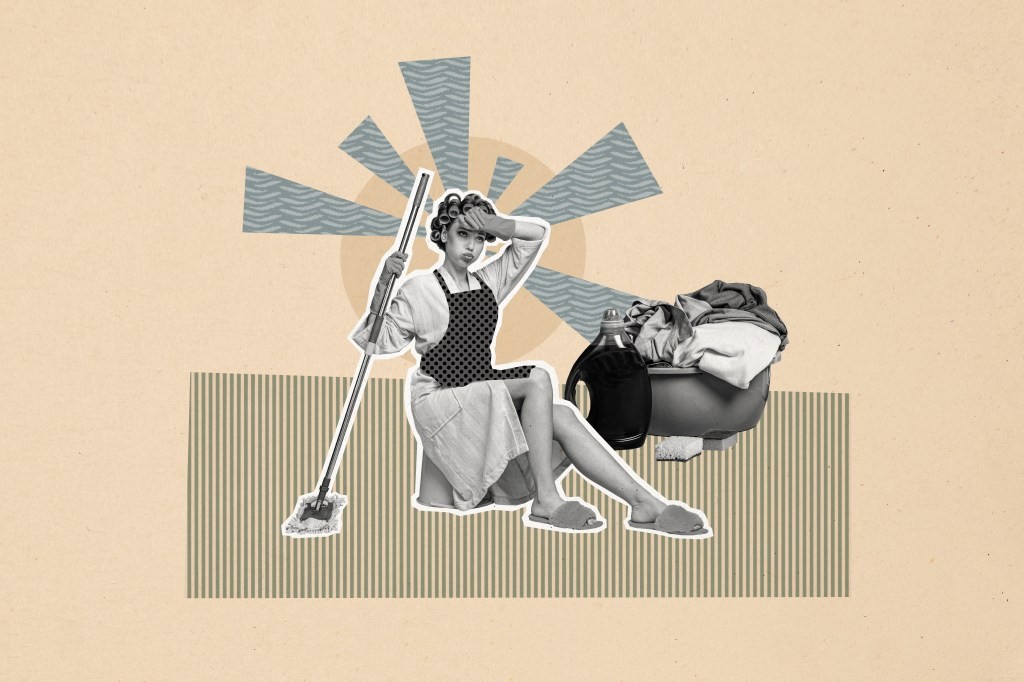
While Mother’s Day is often synonymous with bouquets and chocolates, a recent study suggests that what mothers actually crave is far less tangible—and much more necessary for their well-being.
A new survey commissioned by It’s a Family Thing (IAFT) and conducted by Talker Research reveals a striking gap between traditional gift-giving and the actual needs of modern mothers. By surveying 2,000 American mothers with children under 19, the research highlights a growing crisis of “mental load” that transcends mere physical chores.
The Hierarchy of Maternal Needs
When asked what would most effectively reduce their daily burdens, mothers did not ask for material goods. Instead, they prioritized time and autonomy. The survey identified the following primary needs:
- Personal Time (42%): The top priority is the opportunity to rest and recharge individually.
- Increased Support (40%): A desire for more active help from other family members.
- Reduced Cognitive Labor (37%): The need to stop being the “manager” who must constantly remind others of their responsibilities.
- Improved Communication (33%): Better dialogue within the family unit.
- Kid Accountability (32%): Greater follow-through from children regarding their own tasks.
- Decreased Responsibility (24%): A general reduction in the total volume of household management.
Understanding the “Mental Load”
To understand these results, one must distinguish between physical chores (like washing dishes) and the mental load (the invisible labor of planning, organizing, and remembering). The mental load involves managing playdates, meal planning, tracking school schedules, and monitoring the emotional well-being of the entire household.
The data suggests this burden is disproportionately carried by women:
– A 2024 study found mothers handle 71% of these cognitive tasks, compared to just 45% for fathers.
– This imbalance has significant consequences: approximately 43% of women report feeling emotionally exhausted due to this invisible labor.
Generational Trends and Relationship Impact
The survey also highlighted specific pressures facing different age groups. Millennial mothers appear to be the most strained, with 49% describing themselves as mentally drained. Interestingly, both Millennial and Gen X mothers identified “personal time” as their most critical requirement.
This exhaustion is not just a personal issue; it is a relational one. Research indicates that when women feel disproportionately responsible for household management, it creates a ripple effect:
1. Personal Well-being: Increased risk of burnout and emotional exhaustion.
2. Marital Satisfaction: Strains on the partnership due to perceived inequality.
3. Child Development: Potential impacts on the well-being of the children being cared for.
“Families need to start to share the load — ideally equally — or else mom will become more and more resentful,” warns Priya Rajendra, CEO and co-founder of IAFT.
Conclusion
The findings suggest that true support for mothers requires moving beyond symbolic gestures toward a structural redistribution of household management. For families to thrive, the invisible labor of “running the home” must be recognized and shared as a collective responsibility.