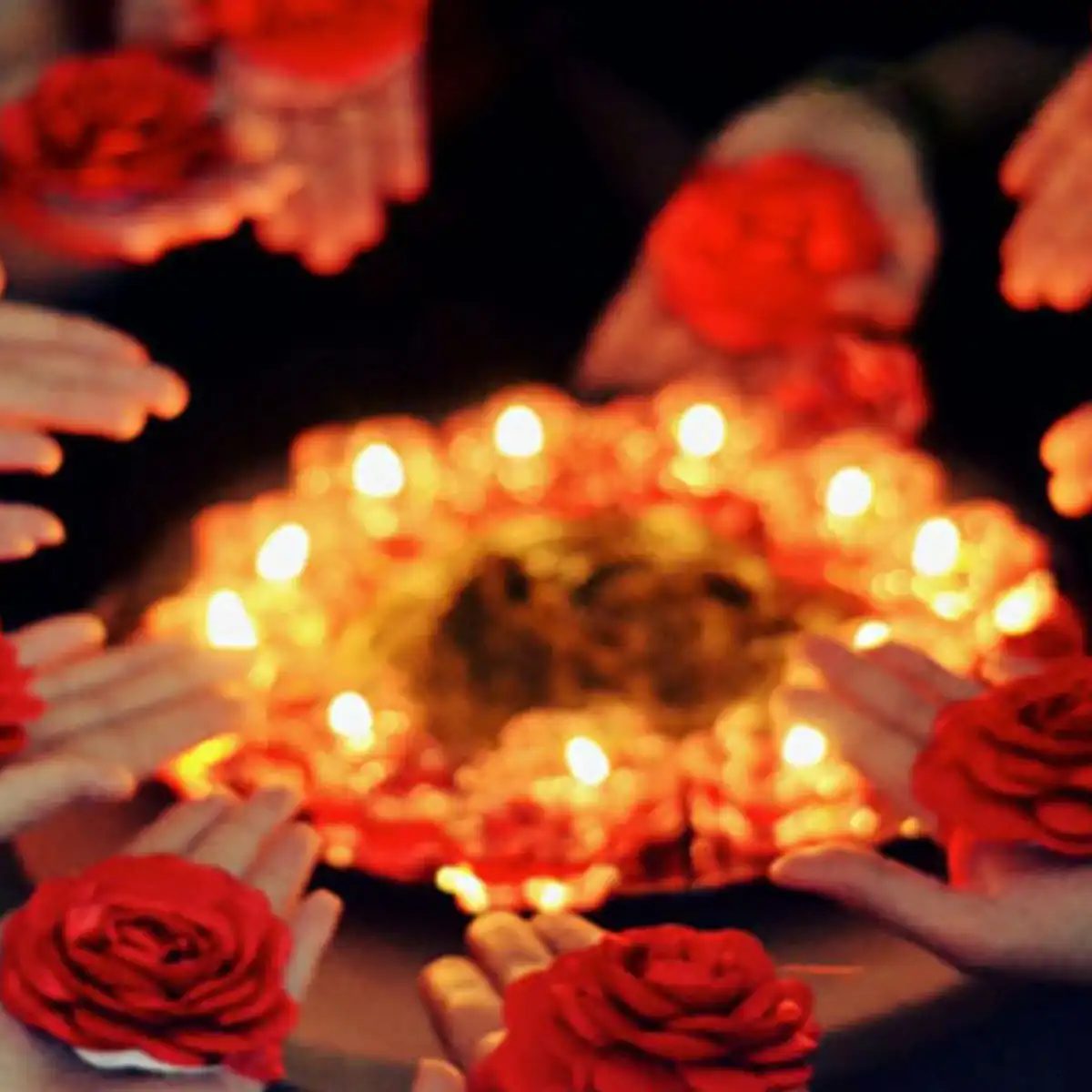
It starts with a stain. A splash of deep red or orange dye on the bride’s hands. But to call it just a stain misses the point entirely. A kına gecesi is more than a pre-wedding party. It is a ritual steeped in history, symbolizing the transition from girlhood to womanhood. For centuries, this event has marked a pivotal moment in Turkish culture. It is not merely about the henna. It is about community. It is about protection. It is about asking for good fortune in a marriage that lies ahead.
Where Did This Tradition Come From?
The roots of the kına gecesi geleneği (henna night tradition) stretch far beyond modern Turkey. They dig into the ancient soils of Anatolia. Anthropologists trace the practice back to the Hittites and Phrygians. These early civilizations viewed henna not just as a cosmetic. They saw it as a magical substance. It was believed to ward off evil spirits. The color red, specifically, held power. It represented life. It represented fertility.
As Islamic culture spread through the region, the ritual adapted. It absorbed new layers of meaning. The henna became a blessing. It became a prayer for prosperity. But the core remained. The application of the dye was an act of protection. It was a shield against the “evil eye” (nazar ). This belief persists today. Many mothers still insist on the ritual for this very reason.
Why Is It So Deeply Cultural?
You might wonder why such an old practice survives in a digital age. The answer lies in its social function. Before modern weddings became logistical nightmares with hundred-guest receptions, a kına gecesi was intimate. It was close-knit. Only women and close family members participated. Men were often excluded. This created a safe space. A space for advice. A space for emotional support.
The bride’s family would gather. They would sing traditional songs. They would share stories. It was a final farewell to her childhood home. The henna application served as a boundary. Once the dye was applied, she was no longer just their daughter. She was becoming a wife. She was joining a new lineage. This symbolic shift is why the ritual feels heavy. It carries weight. It carries history.
“The henna is not just on the skin. It is on the soul. It marks the moment a woman steps into her new role with the blessing of her ancestors.”
How Was It Originally Performed?
The process was meticulous. It was not a casual gathering. The bride would sit on a raised platform. She would wear a special red veil. This veil symbolized her readiness. It also concealed her face, maintaining modesty and mystery. The henna would be mixed with spices. Clove was common. It added a pungent scent. It was believed to enhance the ritual’s power.
An elder woman, often the grandmother or a respected matriarch, would apply the first drop of henna. This act was sacred. It set the tone for the night. The bride’s hands would be dyed. Then her feet. The pattern mattered. Intricate designs were drawn. Each curve had meaning. Some symbols represented eternity. Others represented abundance.
Music
The Roots of the Hina Tradition in Turkish Culture
We’ve all seen the photos. The henna-stained fingers, the crying, the chaotic joy. But what is actually happening here? The kına gecesi geleneği isn’t just a party. It’s a ritual. A threshold.
Historically, this tradition stretches back thousands of years across Anatolia. It’s one of those customs that survived empires, wars, and modernization to land squarely in our Instagram feeds today. But its origins are older than the internet. Older than the Republic.
The core belief is simple, if a bit heavy: this is the night before the bride says goodbye to her single life. She’s preparing to step into marriage. The women in her life—friends, sisters, aunts—gather to celebrate this transition. It’s a farewell to bachelorhood.
How the Ritual Actually Works
So, how does a kına gecesi geleneği play out in practice? It’s not random. There’s a structure.
The bride-to-be sits in the center. Usually on a chair, sometimes on a cushion. She’s dressed in her wedding attire or traditional red. Around her, the female relatives and friends circle. The mood is loud. Music is playing. Usually loud, folk-style music.
Then comes the henna. An older woman, often a respected grandmother or aunt, holds a small bowl of henna paste mixed with oil and sometimes coins for luck. She applies the henna to the bride’s hands and feet.
Why henna? Symbolically, it represents beauty, fertility, and prosperity. The darker the stain, the happier the marriage is said to be. Superstitious? Maybe. But it’s a tangible way to mark the change.
Who Organizes It?
Traditionally, the groom’s family hosts the event. But in modern Turkey, this has shifted. Sometimes the bride’s family takes the lead. Sometimes they split the cost. The kına gecesi geleneği is flexible.
The key participants are the women. It’s a female-centric space. Men usually aren’t invited. It’s for bonding. For venting. For celebrating the last night of freedom before the wedding day madness begins.
Why It Matters Today
You might wonder why we still do this. In a world of digital invitations and elopements, why sit in a room with henna and tears?
Because we need rituals. We need moments that say, this is a change. Life moves fast. Marriage is a huge shift. The kına gecesi geleneği forces a pause. It acknowledges the weight of the decision.
It’s not about pressure. It’s about support. The bride gets surrounded by the people who love her. She gets the chance to express fear, excitement, sadness, joy. All at once.
Variations Across Regions
Anatolia is huge. The kına gecesi geleneği looks different depending on where you are.
- Eastern Anatolia: More traditional. Longer ceremonies. More singing of specific folk songs.
- Istanbul: More modern. Often held in event spaces. Less religious symbolism, more party vibe.
- Rural Villages: Family-driven. Every relative has a role. The henna application is a slower, more intimate process
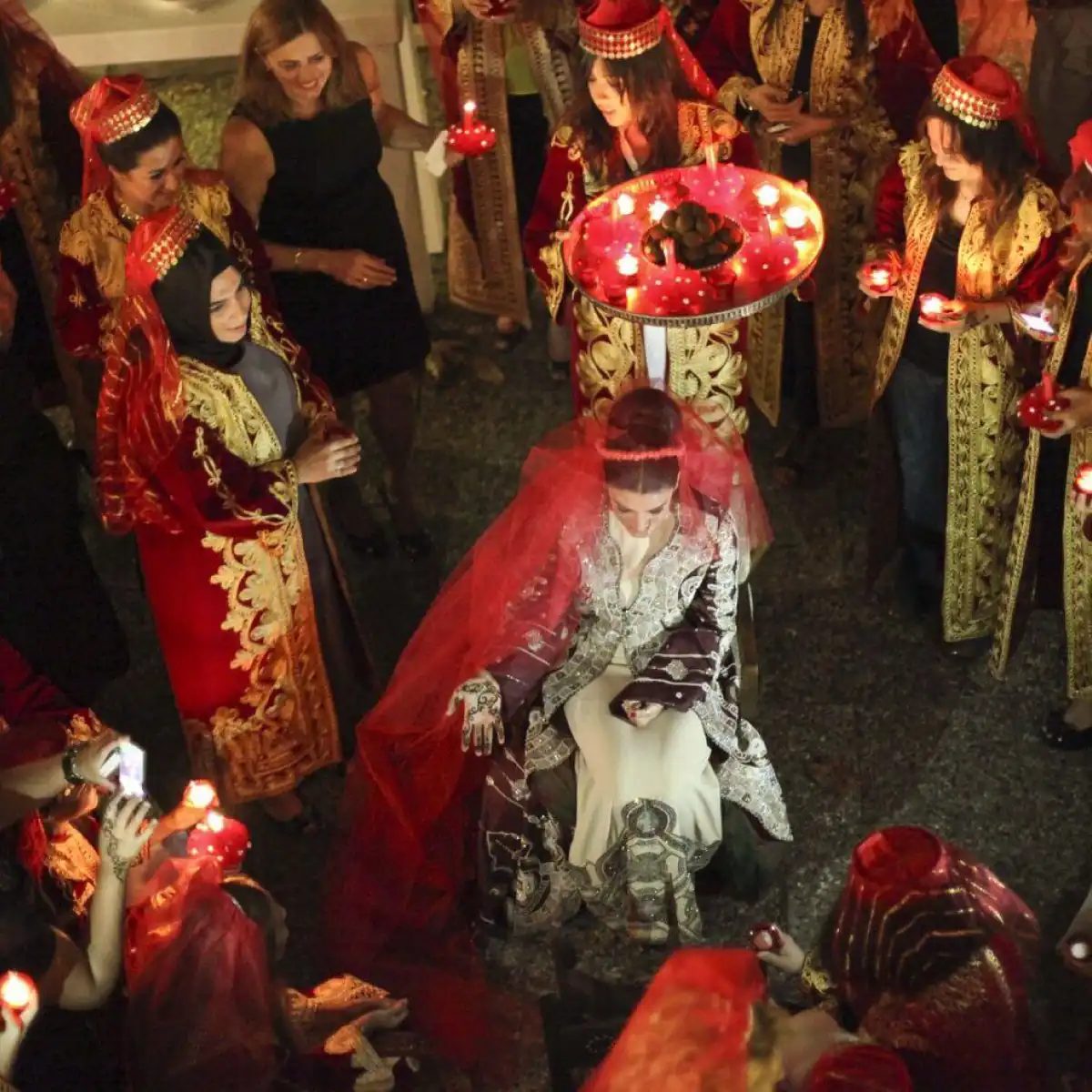
Kına gecesi sadece bir parti değil. Kökleri derinde. Orta Asya’dan Anadolu’ya taşınan Türk boylarıyla başladı bu yolculuk. Zamanla her bölge, kendi dokusunu kattı. Bugün gördüğümüz kına geceleri, o kadim ritüellerin modern yansımaları. Ama asıl mesele tarih değil. Mesele anlam.
Türk kültüründe evlilik kutsal bir bağ olarak görülür. Bu sadece bir sözleşme değil. Birleşme. Ve bu birleşme öncesinde, koruyucu bir şemsiye gerekir. Kına, o şemsiyedir. Kötü ruhlar için bir bariyer. Nazar için bir kalkan. Ama sadece bunlar değil.
Kına Gecesi Ne Zaman Düzenlenir?
Zamanlama her zaman net değildir. Bazı yerlerde düğünden önceki gece. Bazılarında bir hafta öncesi. Nüfuzlu aileler bazen daha erken, bazıları ise daha geç. Ama genel kural var. Kına, düğünden hemen önce gelir. Çoğu zaman cuma veya cumartesi akşamı. Neden? Çünkü hafta sonu. Misafirler daha fazla. Ama asıl neden, hazırlık sürecinin tamamlanmış olması.
Kına hazırlığı haftalar öncesinden başlar. Kınanın yapımı, kıyafetlerin seçimi, davetiyesin hazırlanması… Her detay özenle planlanır. Ama en önemlisi, ruh hali. Gelin, bu süreçte huzurlu olmalı. Stres yok. Sadece hazırlık ve bekleyiş.
Kına Gecesinde Neler Yapılır?
Kına gecesi, sade bir tören gibi görünebilir. Ama arkasında derin semboller var. Kınanın sürülmesi, sadece bir renk değil. Bir vaat. Geleceğe dair bir umut. Kınanın kırmızı rengi, mutluluğu ve bereketi temsil eder. Bu renk, aynı zamanda canlılığı da simgeler.
Kına gecesinde, gelinin kına yakılmasından önce, aile büyükleri tarafından dualar yapılır. Bu dualar, evliliğin bereketli olmasını diler. Nazar boncukları, kına kabının etrafına asılır. Her boncuk, bir koruma sembolü. Ama sadece boncuklar değil. Kına kabının içine konulan para, zenginlik ve bolluk sembolüdür. Bu para, gelinin çeyizine eklenir.
Kına gecesinde, gelin ve damat birlikte kına yakar. Bu eylem, birlik ve beraberliği simgeler. Ama sadece onlar değil. Tüm misafirler de bu birliğe ortak olur. Kına, sadece gelinin değil, tüm ailenin ve yakın çevrenin de birleşimi.
Kına Gecesinde Giyilen Kıyafetler
Kına gecesinde giyilen kıyafetler, gelinin zev
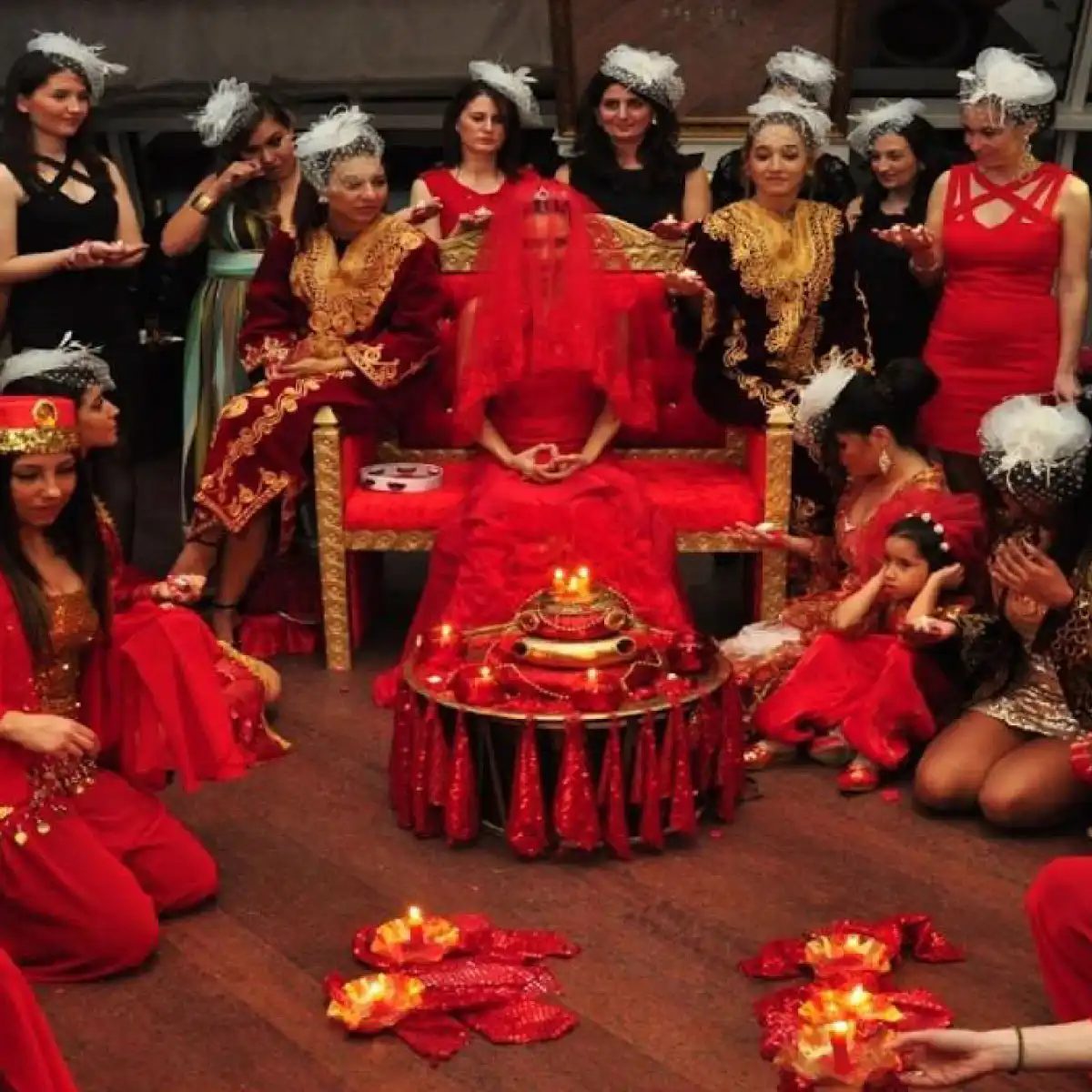
Kına gecesi, düğün stresini hafifletmek için düzenlenen o samimi, kadın odaklı (bazen karışık) partilerden biri. Genellikle düğünden birkaç gün önce, kız tarafının evinde veya seçilen bir mekanda yapılıyor. Amaç sadece kına yakmak değil, geline hediye etmek, sohbet etmek, eğlenmek.
Peki kına gecesi nasıl yapılır? Nereden başlanmalı? Masrafı ne kadar? İşte detaylar.
Kına Gecesi Gelenekleri ve Akış
Geleneksel kına gecesi, kız tarafı tarafından düzenlenir. Bazı yörelerde sadece kadınlar katılırken, bazı yerlerde erkeklerle karışık düzenlenebiliyor.
Akış genellikle şöyle işler:
- Konuk daveti: Yakın arkadaşlar, aile ve komşular.
- İkramlar: Kuruyemiş, meyve suyu, çay, tatlılar. Genelde hafif atıştırmalıklar tercih edilir.
- Gelinin gelışı: Gelin, kına kıyafetini giyer. Ellerinde mum tutan kadınlar eşliğinde davetlilerin arasına girer.
- Kına yakma: İlk kına gelen yakın bir akrabayadır. Ardından sırayla diğer konuklar kına yakar.
- Hediye verme: Konuklar, geline hediye veya nakit bırakır.
- Eğlence: Müzik, oyunlar, sohbet.
“Kına gecesi, düğün öncesi son büyük hazırlık ve stres atma fırsatıdır.”
Kına Gecesi Masrafı Ne Kadar?
Kına gecesi masrafı, büyük ölçüde seçilen mekana, katılımcı sayısına ve ikramlara göre değişir. Ancak ortalama bir kına gecesi için bazı maliyet kalemleri şunlardır:
- Mekân: Evde yapılacaksa masraf düşer. Dışarıda yapılacaksa kiralama veya minimum harcama olur.
- Kına ve kına tepsisi: Kına tozu, süslemeler, tepsi.
- İkramlar: Kuruyemiş, meyve suyu, çay, kahve, tatlılar.
- Gelin kıyafeti: Kına kıyafeti kiralamak veya satın almak.
- Müzik veya eğlence: DJ, canlı müzik veya playout sistemi.
- Hediye: Geline alınacak hediye.
- Mekan süslemeleri: Balonlar, çiçekler, ışıklar.
Ortalama masraf aralığı:
- Evde (düşük bütçe): 5.000 – 15.000 TL
- Orta seviye mekân: 15.000 – 50.000 TL
- Lüks mekân: 50.0
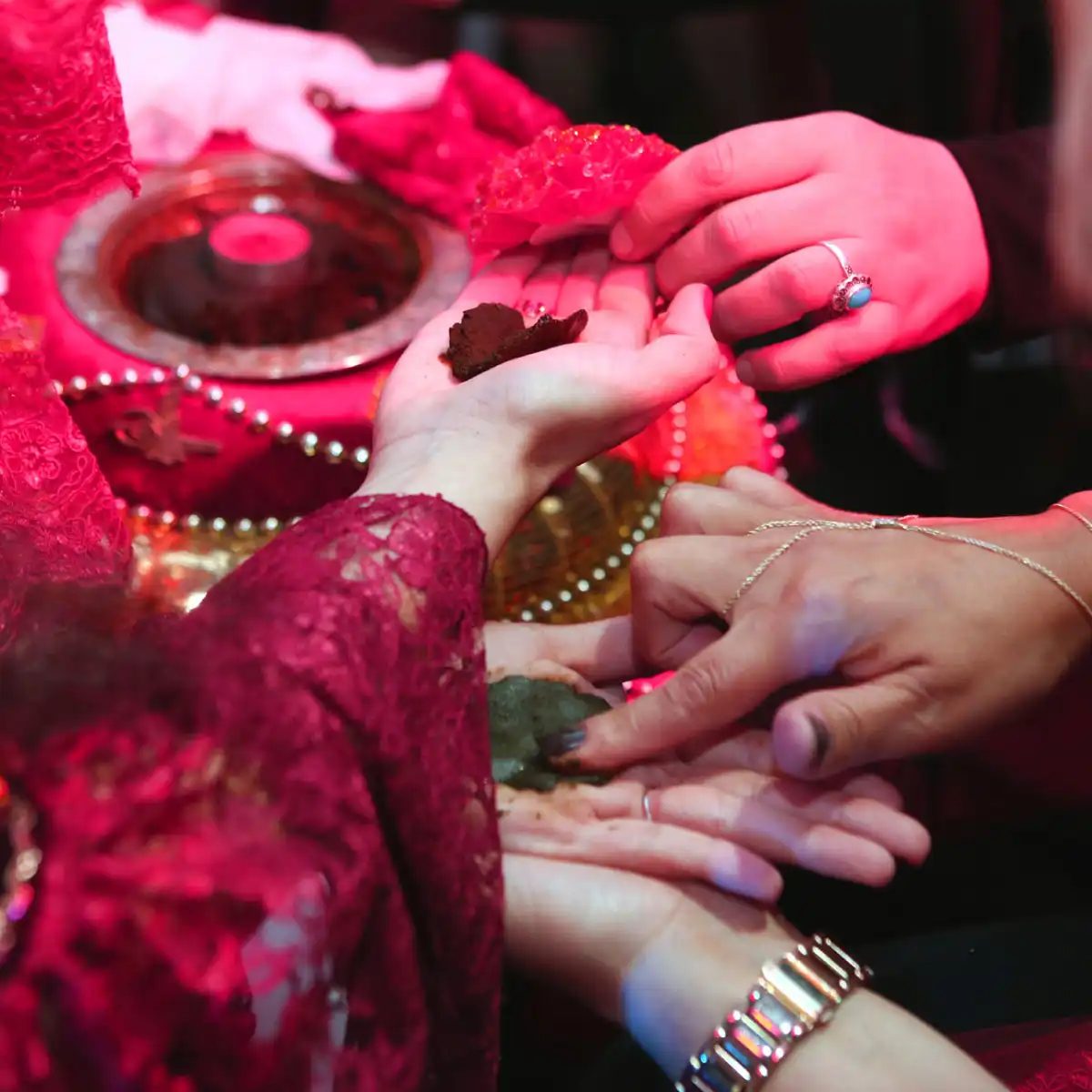
Kına yakma prosedürü aslında oldukça spesifik bir sahne dizilimine dayanır. Süreç, bakır kına tepsileriyle başlar. Gelin adayı bindallı giyer, sandalyeye oturtulur. Ortamda şarkılar söylenir. Amaç basit: gelini ağlatmak. Bu gözyaşları, geçmişle vedalaşmanın bir işareti olarak görülür.
Ağlama dürtüsü yükseldiğinde sıra hediyeye gelir. Gelin, kaynanasından bir hediye ister. Geleneksel olarak bu hediye altındır. Sağ eline sürülen kınanın üzerine bu altın konur. Tülbentle sarılır. Kına türküleri eşliğinde ateş yakılır. Son adım sembolik bir vedadır. Gelin, annesini bu şekilde karşısında bırakır.
Gecenin Amaçı ve Kültürel Köken
Sorunun kökeni Orta Asya’ya, Türk kültürüne dayanır. Bu ritüel düğünden önceki son büyük buluşmadır. Amaç dayanışmadır. Mutluluk arayışıdır. Kadınlar arasında bir bağ kurma noktasıdır.
Neden önemli?
Gelin adayının yeni hayatında huzur bulması hedeflenir. Kötü ruhlar ve şanssızlık uzak tutulmak istenir. Bu, sadece bir kutlama değil, aynı zamanda bir koruma ritüeli.
Nerede ve Nasıl Yapılır?
Genellikle gelinin evinde veya düğün salonunda gerçekleşir. Davetliler ikramlarla ağırlanır. Dans edilir. Sabaha kadar süren bir organizasyondur. 3-4 saatlik resmi bir süreçten ziyade, sınırları belirsiz bir eğlenceye dönüşebilir.
Günümüzde şekil değiştirdiği açık. Eskiden sadece yakın akrabalar ve arkadaşlar vardı. Şimdi daha geniş gruplar var. Bazı modern çiftler, geleneksel kına yerine farklı etkinlikler tercih ediyor. Ancak köklerdeki o “kadın dayanışması” teması hala baskın.
Sıkça Sorulan Sorular
Kına gecesi hangi ülkelerde uygulanmaktadır?
Türkiye, Azerbaycan, Türkmenistan, Özbekistan, Kırgızistan ve Kazakistan başlıca ülkelerdir. Türk dünyasının geniş bir coğrafyasında bu gelenek yaşatılmaya devam ediyor.
Kına gecesi geleneği nasıl değişti?
Öncesi kapalı kapılar ardındaydı. Sadece kadınlara özel, küçük çaplı bir toplandı. Şimdi daha büyük bir grupla kutlanıyor. Ayrıca bazı modern gelinler, kına gecesi yerine düğünden önce farklı bir etkinlik düzenlemeyi tercih etmektedir. Bu, bireyselleşme eğiliminin bir yansıması.
Kına gecesi süresi ne kadardır?
Genellikle 3-4 saat sürer. Ama davetliler ve müzik keyfi buna müdahale