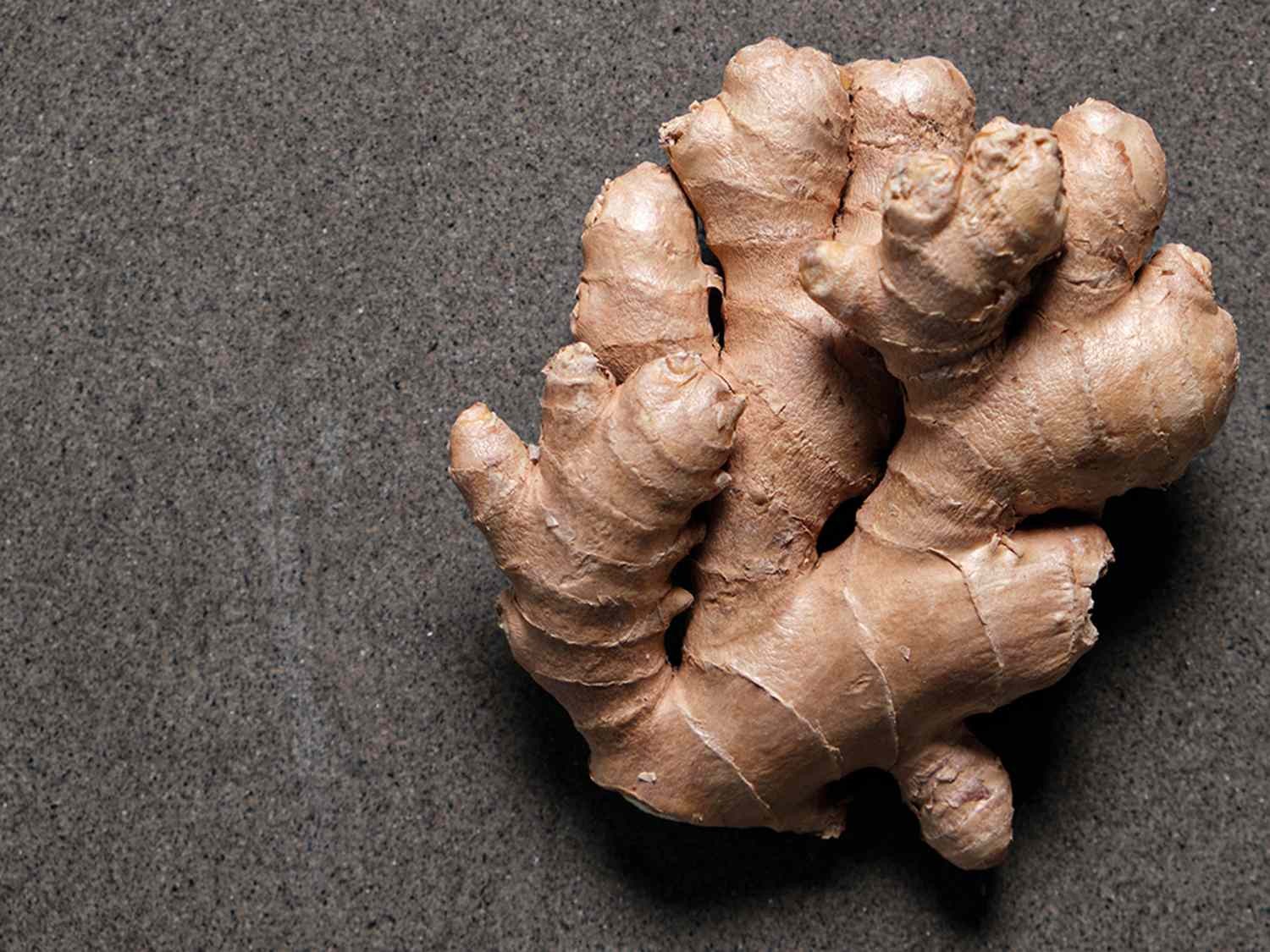
Fresh ginger is the backbone of a fast weeknight dinner. You chop it, you grate it, and suddenly your stir-fry, curry, or noodle soup has life. But getting that flavor out usually means wrestling with a root that looks like it was designed by a sadist.
Peeling is the bottleneck.
Sure, you could leave the skin on. It’s edible. But it tastes earthy, slightly woody. In a delicate broth or a bright ginger chicken dish, that muddies the waters. The texture is papery. It gets stuck in your teeth. If you want that clean, peppery snap, you have to peel it.
And usually, you lose half the ginger doing it.
Standard advice tells you to use a spoon, a vegetable peeler, or a paring knife. A spoon works if the root is straight and tubular. Most aren’t. They’re knobby. They branch out. A vegetable peeler skips right over the nooks. A paring knife is risky.
I have a better way.
Use a microplane.
If you cook with ginger, you likely already have one in your drawer. It’s not just for citrus zest or nutmeg. It’s the fastest way to remove the skin without shaving off the good stuff. Here is why this hack saves time, reduces waste, and keeps your kitchen cleaner.
Why You Should Peel Ginger in the First Place
It’s not just about aesthetics. It’s about flavor purity.
Ginger skin carries dirt. No matter how much you wash it, those crannies hold onto soil. Rinsing isn’t enough. Removing the layer gives you an extra insurance policy against grit.
But the flavor profile is the real driver.
The skin has a more earthy, slightly woofy flavor than the flesh, which can mute gingers bright, peppery bite.
When you are grating, slicing, or julienning for a braise or a salad, that skin creates a tougher texture. In clear soups, it introduces a murkiness you don’t want. Peeling ensures every bite tastes like ginger, not dirt and fiber.
Why a Microplane Beats a Spoon or Peeler
Most people grab a Y-peeler or a teaspoon. They struggle with the curves. They end up digging deep to get into the crevices, taking precious ginger flesh with it.
A microplane works differently.
1. It shaves, doesn’t scoop.
Microplanes have hundreds of sharp, tiny teeth. They don’t require much pressure. You can rub the root back and forth, rotating gently. The teeth catch only the thin outer skin. You lose less meat. You get more yield from every piece.
2. It fits the gaps.
The narrow, curved surface of a microplane slides into tight spaces. Knobs. Branches. The weird angles that defeat a flat blade. You aren’t forcing awkward angles. The tool does the navigating.
If you plan to grate the ginger anyway—which you probably do—you don’t need to switch tools. Peel it. Rinse the grater. Then grate. One tool. Two steps. Done.
How to Peel Ginger Using a Microplane
This isn’t complicated. It’s just counterintuitive because no one tells you to flip the tool.
Step 1: Invert the tool.
Hold the microplane upside down. You want the concave, grating side facing up. This creates a small bowl. The peels will fall right into it instead of scattering across your cutting board or floor.
Step 2: Light friction.
Hold the ginger root in your non-dominant hand. Run the microplane back and forth over the surface. Do not press hard. Let the teeth do the work.
Step 3: Rotate and repeat.
Turn the ginger. Hit every side. Use the narrow edges of the microplane to dip between the knobs. You’ll see the white flesh emerge.
Step 4: Clean up.
Dump the peels into the trash or compost. Rinse the microplane under water. It’s sticky with starch. Give it a quick scrub if needed. Now it’s ready for grating, mincing, or chopping.
Pro Tip: Freeze It First
This is the game-changer.
Keep whole ginger roots in the freezer. They last for months. The freezing process changes the skin’s structure slightly.
Peeling frozen ginger with a microplane is even easier than fresh. The skin lifts off like a sticker. You don’t need to press. You barely need to touch.
If you don’t have frozen ginger, the microplane method still works perfectly fine. Fresh ginger peels well, too. But if you’re prepping regularly, freezing is worth the fridge space. It speeds up dinner when you’re hungry and tired.
The Bottom Line
Stop fighting with vegetable peelers. They are blunt instruments for a delicate job.
The microplane is precise. It’s faster. It wastes less ginger. And it saves you from washing another spoon or peeler later.
The next time a recipe screams for fresh ginger, skip the debate. Grab the grater. Flip it over. Peel.
The rest is just cooking.