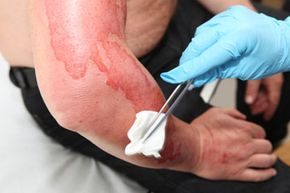
One minute you are chopping vegetables. The next, you are staring at a red, throbbing wrist, wondering how you managed to touch the skillet. It happens fast. It hurts a lot.
You are not alone in this disaster. Roughly 500,000 Americans sustain burn injuries annually. While men face twice the risk of burns overall, the majority of reported cases occur in people aged 18 to 64. That is us. That is the demographic juggling work, home, and dinner.
Most burns do not involve open flames. Scalds—caused by hot liquids or steam—are the most frequent offender. You know the sting. It is the coffee spill on your lap or the shower that turned into a sauna. If treated immediately, these rarely cause permanent damage. But not all burns are created equal. Some, like internal chemical burns from ingesting cleaners, are nasty and hard to treat. Others, like sunburns or electrical shocks, sneak up on you.
Understanding the difference between a minor irritation and a medical emergency is the first step in not making it worse.
Degrees of Burn Severity
Doctors classify burns by depth. This is not just medical jargon; it tells you whether you need a tube of aloe or a trip to the ER.
First-degree burns are the mild ones. They affect only the epidermis, the top layer of skin. You will see redness, swelling, and feel pain. Most heal within a week. However, if a first-degree burn covers a major joint, the face, hands, feet, groin, or buttocks, it is no longer considered minor. It needs professional assessment.
Second-degree burns are worse. They penetrate into the dermis, the layer beneath the epidermis. This damage can hit sweat glands and hair follicles. Visually, you will see blisters. The area will be red and swollen. Pressing on the skin around the burn may turn it white. These are intensely painful. Healing takes several weeks, and scarring is a real possibility.
Third-degree burns are severe. They destroy all skin layers. Paradoxically, they may not hurt as much as a second-degree burn because the nerve endings are destroyed. The skin may look white, black, or brown. This is not a home remedy situation. You need immediate medical attention to prevent infection and manage tissue damage.
There is even a fourth-degree burn, though it is less commonly discussed in basic first aid guides. This trauma extends beyond the skin into muscle, tendons, ligaments, nerves, and bone. It causes irreparable damage and requires emergency care.
Non-Flame Burn Sources
We often associate burns with fire. But the kitchen and bathroom are full of hidden threats.
Chemical burns are a major risk, especially for children. Household cleaners can cause severe damage if spilled on skin or, worse, ingested. Keep these out of reach at all times. For adults, a splash of harsh bleach or detergent can still cause a painful, superficial burn on the surface.
Electrical burns are another silent danger. Children are prone to this because they play at outlet level. But adults are not immune. Frayed cords or exposed wiring can deliver a shocking jolt. To prevent this, hire a professional for any electrical repairs, baby-proof your outlets, and regularly inspect your cords for wear.
Radiation burns come from sources other than the sun. You know the feeling of a bad sunburn. You can get this from tanning beds or radiation therapy for cancer. The damage is to the skin’s surface and sometimes deeper tissues.
Friction burns are unique. They combine abrasion with heat. Cyclists and athletes often get these from falling on rough surfaces. The skin feels raw and irritated. Proper protective gear is the only real defense here.
Water Temperature: The Silent Burner
You might want to check your water heater right now.
Most household tanks are set to 140 degrees Fahrenheit (60 degrees Celsius). This temperature can cause a third-degree burn in just five seconds. Crank it up by just 16 degrees (to 156°F/69°C), and you get a major burn in one second.
It is a simple fix. Lower your tank to 120 or 130 degrees Fahrenheit (50 to 55 degrees Celsius). It is safe for your skin and prevents accidental scalding, especially if you have children in the house.
What Not to Do
If you get scorched, your instinct is to grab the nearest remedy. Stop. Do not apply butter. Do not pop blisters. Do not use ice directly on the burn. These old wives’ tales can trap heat in the tissue or cause further damage.
Cool the burn with lukewarm or cool running water. Not ice-cold. Just cool. This stops the burning process. Remove any jewelry or tight clothing near the area before swelling starts. Cover it with a sterile, non-stick bandage.
If the burn is larger than your palm, if it is on the face or joints, or if it looks white or charred, seek medical help. Do not guess.
Burns are painful, messy, and frustrating. But knowing what you are dealing with changes everything. It shifts you from panic to action. And in a crisis, that is the only thing that matters.
There is more to handling burns than just cooling them down. How you assess the damage determines if you can wait it out or if you need a doctor. In the next section, we will look at specific assessment tips and surprising things you should never do when skin is damaged.
When Home Care Isn’t Enough
Most minor burns heal fine with a little TLC. But not all burns are created equal. If the burn spans more than 3 inches, that is too big to ignore. See a doctor immediately. Same goes if the burn sits on your face, hands, scalp, genitals, or near a joint. Red streaks spreading from the wound? That is an infection warning sign. Go in. Chemical burns and electrical burns also demand professional eyes. Do not guess with these.
For the small stuff—the first-degree burns or tiny second-degree ones—you can handle it yourself. Start by pulling away any scorched clothing. Then, run cool water over the area for a few minutes. This soothes the heat. Do not use ice. Extreme cold damages the skin further. Resist the urge to slap on ointment right away. These products can trap heat and slow healing. Just wrap it loosely in clean gauze. If the pain throbs, take aspirin or ibuprofen.
Chemical burns require a different approach. Rinse the area with water for at least five minutes. Longer is better. If the chemical was a powder, brush it off gently before adding water. Do not remove burned clothes until you have flushed the wound thoroughly. Internal chemical exposure? Follow the package instructions and call emergency services.
Major burns are a different beast. Call 911 first. Do not peel off singed clothing; it might be fused to your skin. Remove jewelry or loose clothing that is not stuck. Do not immerse a large burn in cold water. Shock is a real risk. If you can, raise the burn above heart level to reduce swelling. Cover it with a moist, sterile bandage. Never pop blisters. Broken blisters invite infection.
Keeping Your House Safe
Prevention is easier than cure. Check your smoke alarms regularly. Replace them every ten years. Never smoke indoors. Swap out appliances with frayed cords. Consider flame-retardant sleepwear. Polyester or treated cotton works well. It buys you time if a fire starts.
Stopping Scars Before They Set
Scars are your body’s response to trauma. They are made of collagen, a protein in the dermis. After a burn, collagen builds a framework to repair tissue. You cannot stop scarring entirely. But you can minimize it.
Keep the wound covered. Keep it moist. Keep it bacteria-free. For deeper burns, pressure garments can help. They restore balance between skin layers as they heal. Unbalanced layers lead to raised scars.
Topical treatments can smooth the skin. Aloe soothes. Apply it a few times daily. Calendula is another option. Propolis, a bee resin, is a traditional remedy. Test any new cream on a small patch first. See how your body reacts.
Massage helps too. Rubbing loosens collagen bonds. Use lotion. Massage in a circular pattern several times a day. Wait until the skin is dry and fully closed. No risk of reopening the wound.
Types of Scars You Might See
Not all scars look the same. Hypertrophic scars are thick and raised. They stay within the injured area. Keloids are different. They are thick, red, or brown. They grow beyond the original injury. Keloids can be large and binding. Surgery might be needed. Steroid injections can reduce their appearance.
Contractures are another type. The skin tightens irreversibly. It can look melted. Mobility becomes severely limited. These require medical attention.
Minimizing scars takes care. Inside and out. Keep reading for more on burn types and treatments.
Understanding the Scope of Burn Care
The landscape of burn injury management is vast, extending far beyond immediate first aid. When you look at the clinical data, the distinction between treating a minor kitchen mishap and managing a severe industrial accident becomes clear. Statistics from the American Burn Association and the National Burn Repository highlight the sheer volume of cases treated annually, proving that prevention and proper initial response are not just suggestions but necessities.
It is easy to assume that burns are only about heat. But chemical exposure and electrical incidents account for a significant portion of severe injuries. The Mayo Clinic’s guidelines on chemical burns, for instance, emphasize immediate and thorough flushing, a step that differs drastically from the cool water treatment for thermal burns. Confusing the two can make matters worse. You need to know which type of injury you are dealing with before you act.
Prevention and Scar Management
Once the acute phase passes, the focus shifts to healing and minimizing long-term damage. Scarring is a biological reality of deep tissue injury, but it is not necessarily permanent or ugly. Dermatologists and burn survivors alike point to pressure garments as a primary method for reducing scar tissue formation. These specialized garments apply consistent pressure to the healing area, flattening raised scars and improving texture.
The research from Ohio State University Medical Center backs this up. It’s not about vanity. It’s about function and comfort. Raised scars can restrict movement and cause chronic itching. Addressing them early with prescribed garments can prevent years of discomfort. Cosmetic procedures are an option later, but the foundation is laid in the first few months of healing.
When to Seek Further Help
Not all skin changes after an injury are scars. Sometimes, what looks like a healed burn is something else entirely. Moles appearing in the scar tissue, persistent discoloration, or unusual growths should never be ignored. The question of whether new moles are cancerous is a common concern, and while most are benign, any change in a scar’s appearance warrants a dermatologist’s eye.
This is also where related skin conditions come into play. Adult acne, warts, or even cellulite can complicate the healing process or be mistaken for complications. A blister that doesn’t resolve might need attention. Thin, fragile skin resulting from the burn requires specific care routines to prevent further damage. Understanding how these conditions work helps you distinguish between normal healing and a problem requiring medical intervention.
Resources for Informed Decisions
Navigating these issues alone is risky. The internet is flooded with conflicting advice. That is why relying on established medical institutions matters. Sources like KidsHealth and WebMD provide clear, accessible information on topics ranging from burn incidence to scar revision. They break down complex medical procedures into understandable steps.
The data from the Arizona Burn Center on hot water safety, for example, offers practical, everyday advice that can prevent the most common type of burn: scalds. It’s simple, but simple doesn’t mean ineffective. Knowing how to protect your skin in the shower or while cooking is the first line of defense.
The most effective burn care is proactive, not reactive.
Moving Forward
The path to recovery is rarely linear. It involves monitoring, adapting, and sometimes, seeking specialized help. Whether you are dealing with a minor scald or a more serious injury, the goal is always the same: restore function and confidence.
The tools and knowledge exist to help. The question is whether you are using them. Do you know the signs of infection versus normal healing? Can you identify the difference between a keloid and a hypertrophic scar? These distinctions matter. They determine your next step.
If you are unsure, stop guessing. Consult a professional. The