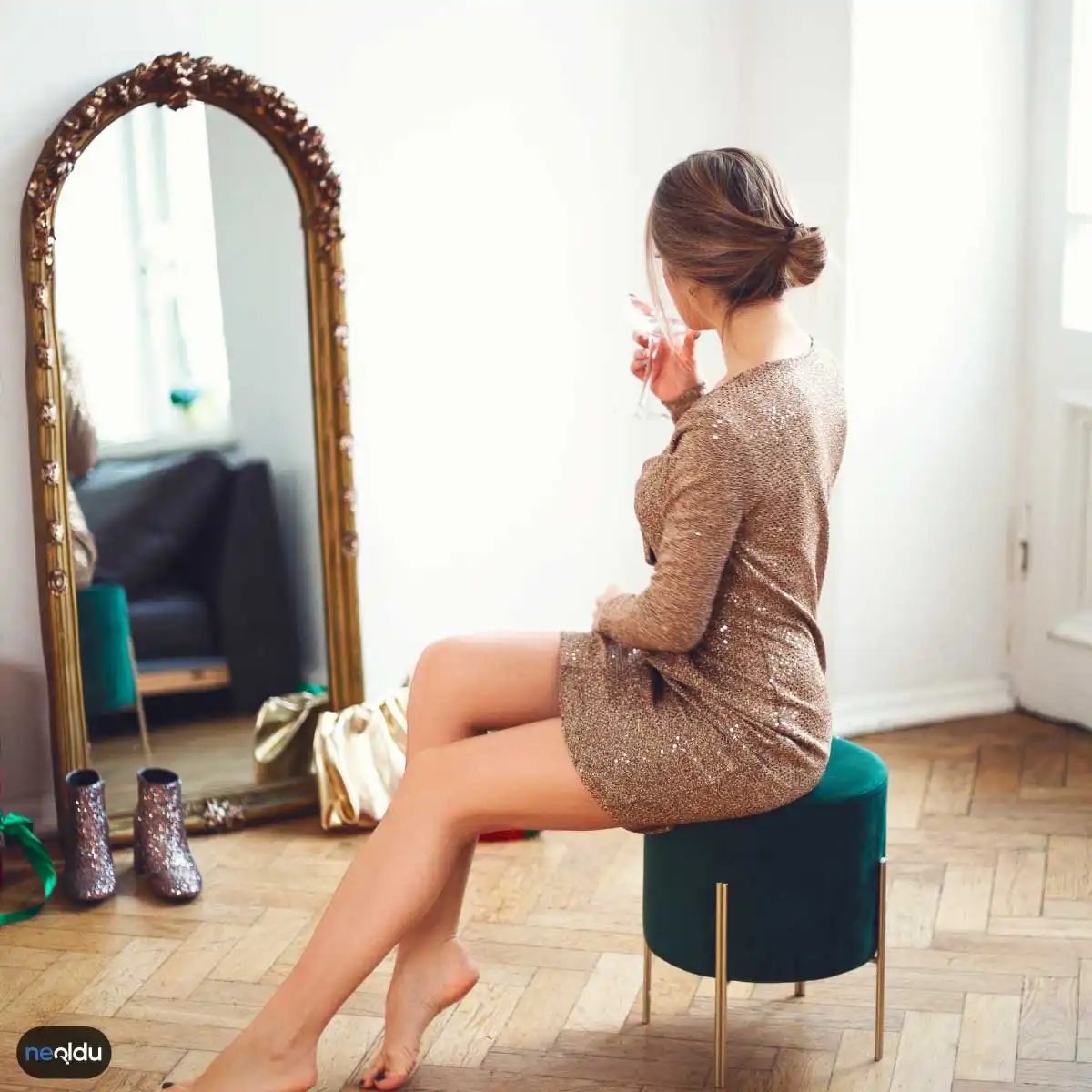
Sequins aren’t just for the red carpet anymore.
They’ve been part of the fashion conversation for decades. And yet, they keep coming back. You’ll see them at galas. You’ll see them on subway platforms. The shimmering trend has earned its own space in fashion history. High-quality materials and precise craftsmanship define the best pieces.
But why do we keep returning to this specific texture?
The History of Glamour
The story of sequins is older than you might think. They started as a way to mimic the glint of coins or jewels. Early versions were made of metal or glass. They were heavy. They were expensive. Only the wealthy could afford to catch the light like that.
By the 1920s, the flapper era embraced them fully. Think of Great Gatsby parties. Dresses were covered in them. Movement was key. The fabric had to dance. As the body moved, the light scattered. It was dynamic. It was loud.
Then came Hollywood. The Golden Age of cinema used sequins to highlight the stars. Marlene Dietrich wore trousers with them. Judy Garland wore gowns with them. The camera loved the reflection. Film stock processed the glitter better than the human eye could catch in real time. It became a symbol of escapism.
Post-war fashion shifted. Minimalism took over. Clean lines. Quiet fabrics. Sequins seemed too much. Too flashy. Too 1920s.
But trends always circle back.
In the 1970s, disco brought them back with a vengeance. Studio 54 wasn’t just about the music. It was about the mirror balls. People dressed to match the lighting. Plastic sequins became affordable. Mass production changed the industry. You didn’t need a tailor. You could buy a jumpsuit off the rack.
The 1980s pushed this further. Power suits. Shoulder pads. And yes, sequins. It was about visibility. Status. If you could afford the shine, you had made it.
Then, the 1990s. Grunge. Flannel. The anti-fashion movement. Sequins were out. They were seen as frivolous. Excessive.
But here is the thing about fashion. It hates boredom.
Modern Sequin Fashion
Today, the sequin has been reimagined. It’s no longer just for evening wear. You can wear sequin tops to brunch. You can pair a sequin skirt with a simple white tee. The key is contrast.
High-low dressing. That’s the modern approach.
Take a heavy sequin jacket. Pair it with jeans. Casual sneakers. The shine becomes an accent. Not the whole outfit. This balances the look. It keeps it from feeling costume-y.
Why does this work? Because we are tired of fast fashion that falls apart. A well-made sequin piece lasts. The threads are reinforced. The backing is sturdy. It’s an investment in a garment that can take you from day to night.
Consider the fabric weight. Cheap sequins feel stiff. They scratch. They don’t drape. Good sequins move with you. They have a slight give. Look for natural fibers mixed with synthetic threads. Silk blends are luxurious. Cotton blends are
The Glittering Legacy of Sequins: From Ancient Armor to Modern Wardrobes
You might think sequins are purely a product of modern excess. They aren’t. The history of embellishment runs deep. We are talking about threads woven into history. Specifically, sequins. Their story begins in the dust of ancient Egypt. Then it moves to the stone streets of Rome.
Roman soldiers wore armor decorated with them. It wasn’t just for show. It was status. It was intimidation. But the women of Rome didn’t leave the stage. They wore them too. Dresses shimmered. Life moved in the light.
Medieval Roots and Royal Obsession
Fast forward a few centuries. The Middle Ages arrived in Europe. Churches held events. Costumes were made. Sequins found their way into religious vestments and festival wear. They caught the candlelight. They drew the eye upward.
The 16th century changed everything. Fashion became a language. In France, the royal court demanded sparkle. French costumes featured sequins heavily. Across the channel, England saw the Tudor era. Dresses had detail. They had texture. They had sequins.
The 19th-Century Explosion
Then came the 1800s. The pattern changed. Sequins exploded into the mainstream. France led the charge. Manufacturing accelerated. Production grew. The garment industry shifted.
Who wore them? The wealthy. The famous. The people who could afford to stand out. This trend didn’t fade. It evolved. It traveled into the 1920s. Jazz age nights required movement. Sequins moved with the body. They turned dance floors into mirrors.
Modern Accessibility and Style
Today, the narrative is different. Sequins remain popular. They are still a staple. You see them on evening gowns. You see them on blouses. You see them on skirts and pants. They add a different kind of air to an outfit.
But the gatekeeping is gone. You no longer need a royal budget. Sequins are everywhere now. They are affordable. They are accessible. Anyone can buy a sequined piece. It’s no longer just for the elite. It’s for everyone.
Why Sequins Still Dominate Modern Fashion
The question isn’t really about history anymore. It’s about why they persist. Why do we keep coming back to the shimmer?
1. Versatility in Occasion
Sequins work in multiple settings. They aren’t stuck in one box. You can wear them to a gala. You can wear them to a dinner date. You can even style them for casual outings if you know how to balance the look.
2. The Price Point Shift
In the past, sequined garments were luxury items. Now, they are mass-produced. Fast fashion brands picked up the trend. High-street stores stock sequin skirts. The cost has dropped. This democratization means you don’t need to save for months. You can buy it on impulse. You can buy it for a specific event.
3. Visual Impact
Sequins catch light. They create movement. When you walk, the garment changes. It’s dynamic. Static clothing is boring. Sequins react. They engage.
How to Style Sequins Without Looking Overdressed
If you are new to wearing sequins,
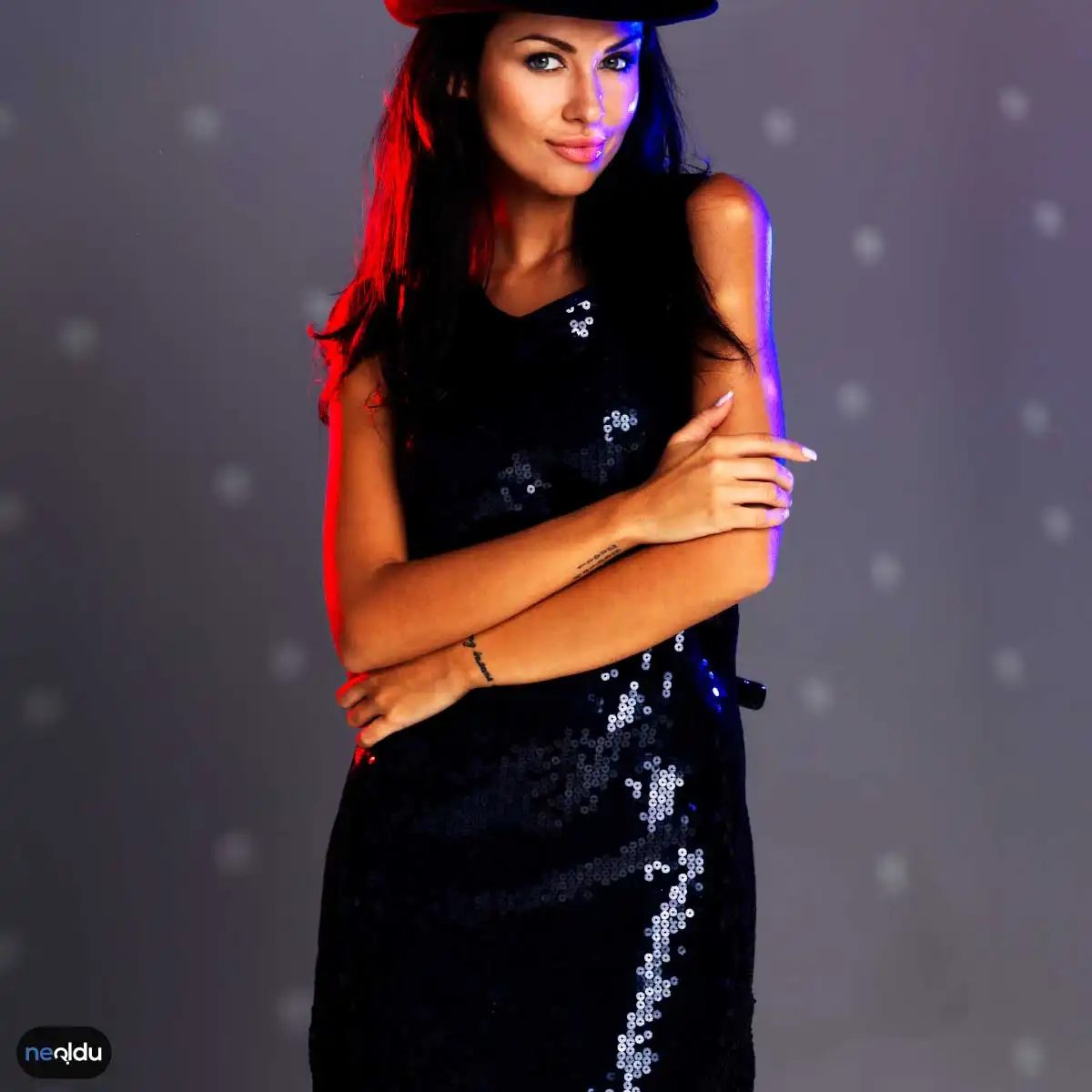
Sequins have stayed on top of the fashion game for decades. They are the go-to for red carpets, galas, and any event where you need to shine. But how do you wear them without looking like a disco ball from a 1970s party?
The history is messy. It started in the 1920s. Art Deco dresses got the sparkle. Then came the 1930s. Hollywood stars adopted the look. It wasn’t minimal until the 60s. Now, it’s everywhere. High fashion shows. Street style. Even your daily commute.
Quality matters. Cheap sequins fall off. Good ones stay put. You want pieces that last.
How to Style Sequins for Day and Night
The key is balance. If you want to wear sequins beyond a gala, you have to tone it down elsewhere.
1. Mix with Denim
This is the safest bet. Pair a sequin top with high-waisted, dark wash jeans. The roughness of the denim grounds the shine. You look put together, not overdressed.
2. Neutral Bottoms
Skip the patterned skirts. Go for solid black, white, or navy trousers. Let the sequins be the only focal point. If everything is loud, nothing stands out.
3. Keep Accessories Simple
No statement earrings. No chunky bracelets. Simple studs. A delicate chain. Your face is the canvas. The outfit is the frame. Don’t clutter both.
4. Footwear Choice
Heels are obvious. But sleek flats work too. Avoid anything else that sparkles. Matte finishes are your friend.
Why Material Matters
Not all sequins are created equal. The difference between a garment that looks expensive and one that looks cheap is in the stitching.
- Heavy-duty thread: Keeps sequins attached through multiple wears.
- Secure backing: Prevents snagging on other clothes.
- Flexible fabric: Stretches with your body instead of cracking.
When you invest in quality, you get versatility. The piece becomes a staple, not a one-night stand.
Seasonal Styling Tips
Summer calls for lighter fabrics. A sequin mini dress works. Winter? You need structure. A sequin blazer over a turtleneck. It adds texture without bulk.
Where do you buy these pieces? Look for brands that emphasize durability. Read the care labels. Hand wash or dry clean only? That’s a sign of care. Machine wash? Proceed with caution.
The Modern Approach
Sequins are no longer just for evening wear. They are a texture. A mood. A way to add energy to a boring outfit.
Think about the context. Are you going to a wedding? A date? Just trying to boost your mood on a Tuesday?
The rules are loose. If you feel good, the style works. But remember the balance. Shine bright, but don’t blind the people around you.
It’s not about hiding. It’s about highlighting. Choose one part of your outfit to sparkle. The rest can rest.
This isn’t a trend that will fade soon. It’s a tool. Use it wisely.

Sahne ışığına tutulan bir yıldız gibisiniz. O, parlak, dikkat çekici ve elbette biraz da kırılgan. Payetli kıyafetler… Hepimizin dolabında bir yerlerde, “belki bir gün giyerim” diyerek sakladığı o parıltılı parçalar. Ama gerçeği söyleyelim: Onları yanlış giymek, kostüm partisinin en garip konuklarından biri olmak gibi bir şey. Çok fazla parlarsanız, göz alıcı değil, göz yorucu olursunuz. Çok abartırsanız, restoran masasında yemek yerken gömleğinizin üzerindeki mücevherler gibi hissedersiniz.
Sorun, payetlerin kendisinde değil, dengeleme sanatındadır. İşte bu dengesizliği nasıl kuracağınızı anlatan, akademik olmayan, biraz da pratik bir rehber.
Sade parçalarla denge kurun
Payetler zaten başlı başına bir gürültü yapar. Ona arkadaş olarak “sessiz” bir parça seçmek zorundasınız. Zıt kontrastlar işler. Payetli bir etek giyiyorsanız, üst tarafınızın neredeyse tamamen boşlukta, sade ve basit olması gerekir. Beyaz bir bluz mu? Klasik. Siyah bir basic t-shirt mü? Daha da güvenli.
Buradaki kural basit: Eğer elbisende parıltı varsa, diğer tarafınız mat olmalı. Aksi halde, gün boyunca bir çamurlu havuza girmiş gibi hissedebilirsiniz.
Desenlerden kaçının
Bu bir kural kitabı değil, bir hayatta kalma kılavuzu. Payetli bir kumaş zaten görsel bir karmaşadır. Üzerine çiçekli bir desen, geometrik bir baskı veya hatta ince çizgiler eklerseniz, gözleriniz yorulur. Kimse sizi izlemeye gelmediyse, onları yormayın.
Düz renkler sizin dostunuz. Siyah, beyaz, bej, lacivert. Bu renkler, payetlerin kendi başına yarattığı efekti boğmadan, onu çerçeveleme işini üstlenir.
“Payetler zaten çok canlı olduğu için, onları desenli kıyafetlerle kombinlemek riskli olabilir. Düz renkli parçalar daha dengeli bir görünüm sağlar.”
Aksesuarlarda “az çoktur”
Bileklik, kolye, küpe, saç tokası… Hepsi aynı anda konuşursa, kimse ne dediğinizi anlamaz. Payetli bir üstünüz varsa, kulaklarınızdaki küpeler minimal kalmalı. Belki tek bir çarpıcı parça seçin. Kalan her şeyi sessiz bırakın.
Aksesuarları sade tutmak, sadece şık görünmek için değil, görünümünüzü “karmaşık” olmaktan çıkarmak içindir. Karmaşa, sofistike bir imajın en büyük düşmanıdır.

Matching sequins to your skin tone
It starts with the mirror. Not the outfit, you. Your skin.
If you have a fair complexion, pastel sequins catch the light beautifully without overwhelming you. Think soft blush, mint, or icy blue. They whisper rather than shout.
Dark skin? You can carry intensity. Rich, vivid hues look stunning. Jewel tones, deep emeralds, or bold magentas pop against deeper complexions. The sequins reflect back, creating a glow that looks expensive.
Day vs. night: knowing the difference
Sequins are nocturnal creatures. They belong to evening events.
Stick to colors that survive the dark. Black, navy, and gold are classics for a reason. They work. They always work.
Daytime sequins? That’s a different ballgame. Pastels and white can work, but keep it minimal. You don’t want to look like you’re ready for a gala at noon. Save the heavy sparkle for when the sun goes down.
Don’t fight the hardware
Look closely at the sequins themselves.
Are they gold? Match the hardware. A gold sequin dress pairs best with gold accessories. It creates a cohesive line. Clashing metals can look messy, not chic.
If the dress is dark, lighten up the accessories. A black sequin gown needs bright jewelry or a light clutch. Balance is key. You’re not trying to disappear, but you’re not trying to blind the waiter either.
Riding the trend wave
Fashion moves fast. If you want to look current, check the seasonal palettes.
Last season, pastels and neon were everywhere. Not because they were subtle, but because people wanted to be seen. Following trends isn’t cheating. It’s just being aware of what’s happening in the room.
But here’s the thing: trends fade. Your confidence doesn’t.
Your taste comes first
Rules are suggestions. Your comfort is the law.
If you hate the color you’re wearing, you’ll look uncomfortable. And uncomfortable people are easy to spot.
Pick colors that make you feel powerful. Or soft. Or bold. Whatever that means for you. If a color makes you stand taller, it’s the right choice. Don’t let anyone tell you otherwise.
Styling sequins without looking like a disco ball
Sequins are loud. Let them be the only voice in the room.
Skip the chunky jewelry. Skip the statement bags. Go minimalist.
- Delicate gold or silver necklaces.
- A simple clutch.
- Sleek, pointed-toe heels.
The outfit does the talking. Your accessories are just punctuation.
Cleaning: handle with care
Do not throw your sequin dress in the washing machine.
It will ruin the fabric. It will dull the shine. It will likely cause a meltdown.
Hand wash only. Or take it to a professional dry cleaner. Treat it like a fragile piece of art, because it is. One spin cycle and you’re losing beads.
Who can wear sequins?
Everyone.
Body type doesn’t matter. Style does.
If you want to hide curves, pair a fitted sequin top with a straight-cut skirt. If you want to highlight them, go with a bodycon dress. The fabric has stretch. It moves with you.
Seasonal versatility
Sequins aren’t just for winter.
Yes, they look great in fall and winter. Heavy fabrics, warm tones.
But summer? Evening weddings. Beach parties. July nights. Sheerer fabrics, lighter colors. Sequins work when it’s warm, too. Just pick the right weight.
The bottom line
Wearing sequins is about more than just the fabric. It’s about how you hold yourself.
Stand up straight. Smile. Own the light bouncing off your shoulders.
Because in the end, you’re not wearing the clothes. The clothes are wearing you.