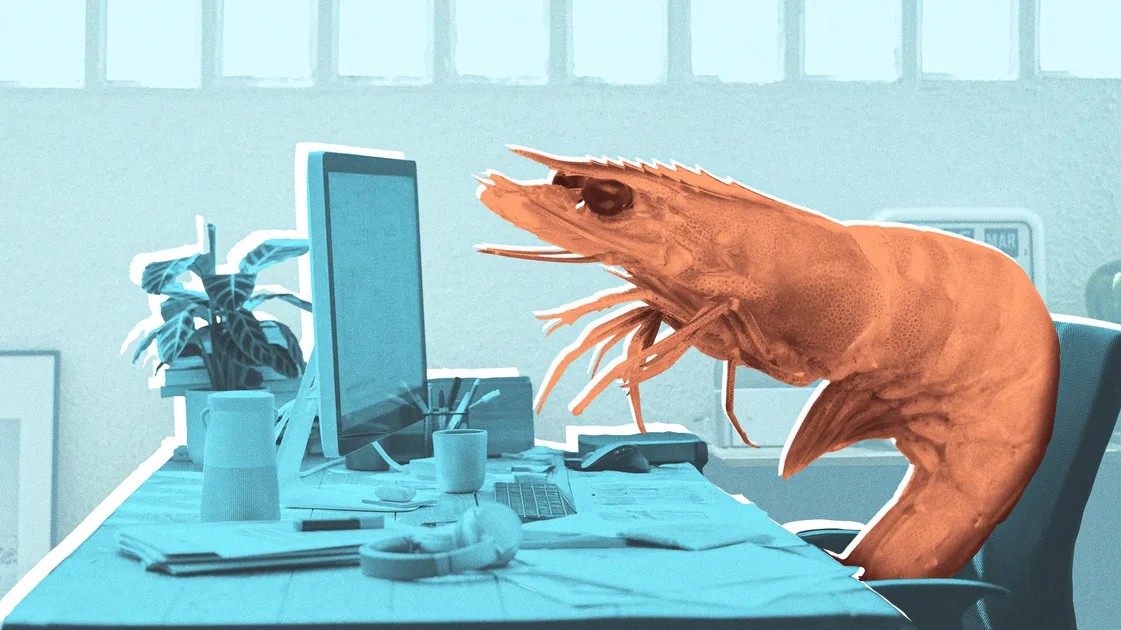
We have all seen the meme: the human worker curling forward over a laptop, resembling a crustacean. While the term “desk shrimp” has become a popular internet joke, it describes a pervasive ergonomic crisis that extends far beyond humor. This posture is not merely a quirk of modern work culture; it is a physical stressor that compromises respiratory function, restricts blood flow, and increases the risk of chronic injury.
As remote and hybrid work blurs the lines between professional and personal spaces, understanding the mechanical toll of poor posture is essential. The consequences of “shrimping” are not limited to aesthetic concerns—they are physiological warnings that require immediate attention.
The Physical Toll of Hunching
The primary issue with the “desk shrimp” posture is the forward flexion of the spine. When you lean forward to type or read, you place significant strain on the muscles of the back and neck. According to Alan Hedge, an ergonomics expert and professor emeritus at Cornell University, this position creates excessive muscle tension while simultaneously reducing lung capacity and restricting blood flow.
The body pays a cumulative price for this sustained tension. Over time, the strain can lead to serious injuries, including:
- Musculoskeletal damage: Neck, back, hip, and shoulder injuries are common outcomes of prolonged slouching.
- Nerve compression: Issues such as carpal tunnel syndrome, numbness, and tingling in the hands and arms often stem from unnatural positioning.
- Joint degeneration: Karen Loesing, an ergonomic consultant, notes that slouching can lead to upper back weakness and even disc degeneration in the spine.
Digestive and Mental Consequences
The impact of poor posture extends beyond the musculoskeletal system. Loesing highlights that hunching compresses the abdomen, which restricts space for digestion. This compression can slow metabolism and increase abdominal pressure, potentially forcing stomach acid upward. The result may be acid reflux, bloating, constipation, and general digestive discomfort.
Furthermore, there is a significant cognitive cost to physical discomfort. Pain acts as a constant distraction, making it difficult to think clearly. As Hedge explains, when the body is in pain, mental fatigue sets in faster. This leads to:
- Reduced decision-making ability: Fatigue impairs judgment and focus.
- Increased error rates: Distracted workers are more prone to mistakes.
- Lowered productivity: The mental energy required to manage physical discomfort detracts from professional output.
Key Insight: Discomfort is often the first stage on the path to injury. Ignoring minor twinges in the wrists or neck can lead to chronic conditions that are far more difficult to treat.
Reclaiming Proper Posture
Correcting the “desk shrimp” habit requires intentional changes to your workspace setup and daily habits. The goal is to relax body tension and allow the spine to align naturally, ideally leaning back against chair support to distribute weight evenly.
Optimizing Your Workspace
- Monitor Height is Critical: Loesing emphasizes that monitor height dictates posture. If the screen is too low, you will flex downward; if it is too high, you will strain your neck. The top of the screen should be at or slightly below eye level, keeping your eyes aligned with your shoulders.
- Use a Laptop Riser: For laptop users, typing and viewing on the same device forces a compromise in posture. Using a riser to elevate the screen, paired with an external Bluetooth keyboard and mouse, allows you to keep the screen at eye level while keeping your hands at a comfortable typing height.
- Invest in Proper Seating: A chair with adequate back support is crucial. It helps take the weight off your hips and lower back, improving breathing and reducing strain.
Adjusting Mobile Habits
The “desk shrimp” phenomenon is not limited to computers. Using smartphones with a downward gaze creates similar neck strain. To mitigate this:
- Lift the phone to eye level: Avoid looking down for extended periods.
- Support your arms: Rest your elbows on a surface or your body to reduce the load on your neck and shoulders.
Conclusion
Transitioning out of the “desk shrimp” posture is not just about avoiding pain; it is about preserving long-term health and cognitive performance. By adjusting monitor heights, using ergonomic accessories, and remaining mindful of body alignment, workers can protect their physical well-being and maintain mental clarity. Small adjustments today can prevent debilitating injuries and digestive issues tomorrow.