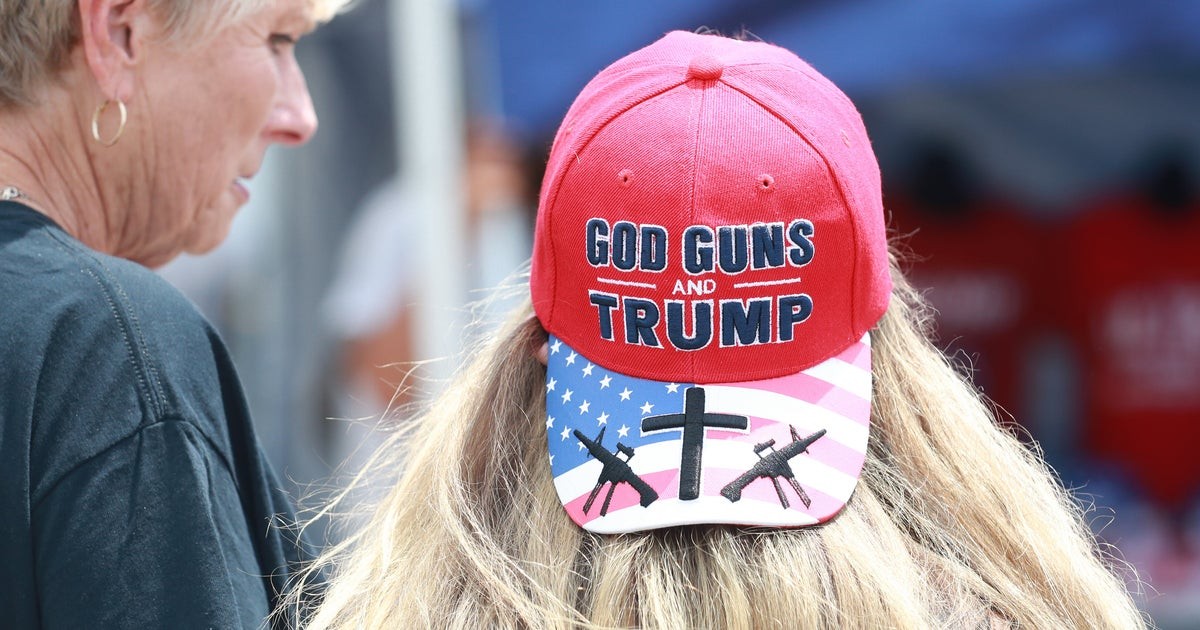
A new study by the Public Religion Research Institute (PRRI) reveals that a substantial portion of American women – nearly one-third – align with or sympathize with Christian nationalist beliefs. This finding challenges assumptions about the movement’s demographics and underscores its growing influence on U.S. politics. The PRRI report, based on over 20,000 interviews, categorizes Americans into adherents, sympathizers, skeptics, or rejectors based on agreement with statements advocating for laws based on Christian values, the necessity of a Christian foundation for the U.S., and Christian dominance over American society.
Women as Dedicated Supporters
The study found no significant gender gap in support for Christian nationalism. Melissa Deckman, CEO of PRRI, notes that many conservative women have “found a home” in this movement, despite its potential to restrict their agency. This is driven by fears of societal change – specifically, the rising number of less religious women opting out of traditional marriage roles. Christian nationalist ideology often emphasizes patriarchal structures, with women expected to be mothers and submissive wives.
Shared Extremism with Men
Both Christian nationalist women and men exhibit similarly hard-line views on issues like political violence and immigration. A strong majority within this group believe that “true American patriots may have to resort to violence” to save the country, and they overwhelmingly support deporting undocumented immigrants without due process. The study also reveals widespread agreement with the Great Replacement theory, which posits that immigrants are intentionally replacing American culture.
Nuances in Gendered Beliefs
While generally aligned with their male counterparts, Christian nationalist women exhibit subtle differences in certain gender-related beliefs. For example, they are less likely to agree that women’s gains have come at the expense of men. Some even identify as “conservative feminists,” believing in women’s equality within a religiously conservative framework.
Shifting Targets of Exclusion
Sociologist Katie Gaddini notes that while the desire to exclude outsiders remains consistent, the targets have shifted over time. In 2016, concerns centered on Muslims; by 2020, Latinos became a primary focus, and this trend continues to influence political discourse.
Ultimately, the PRRI findings demonstrate that the fervor and commitment to Christian nationalist ideals are indistinguishable between men and women. This underscores the movement’s broad appeal and its potential to shape U.S. politics in ways that may further marginalize minority groups and reinforce traditional gender roles.