The fitness world often debates whether to first bulk – gain muscle – or cut – lose fat. Both strategies are core to body recomposition, and the choice isn’t always clear-cut. While popular in bodybuilding to ensure visible muscle definition, the approach can be valuable for anyone looking to improve their physique. Experts agree that the best path depends on individual goals and preferences.
The Basics: Bulking vs. Cutting
Bulking and cutting represent the two primary phases in structured fitness training, with a third phase being maintenance where weight is stable. Bulking focuses on maximizing muscle growth, often including some fat gain, while cutting prioritizes fat loss while preserving as much muscle as possible.
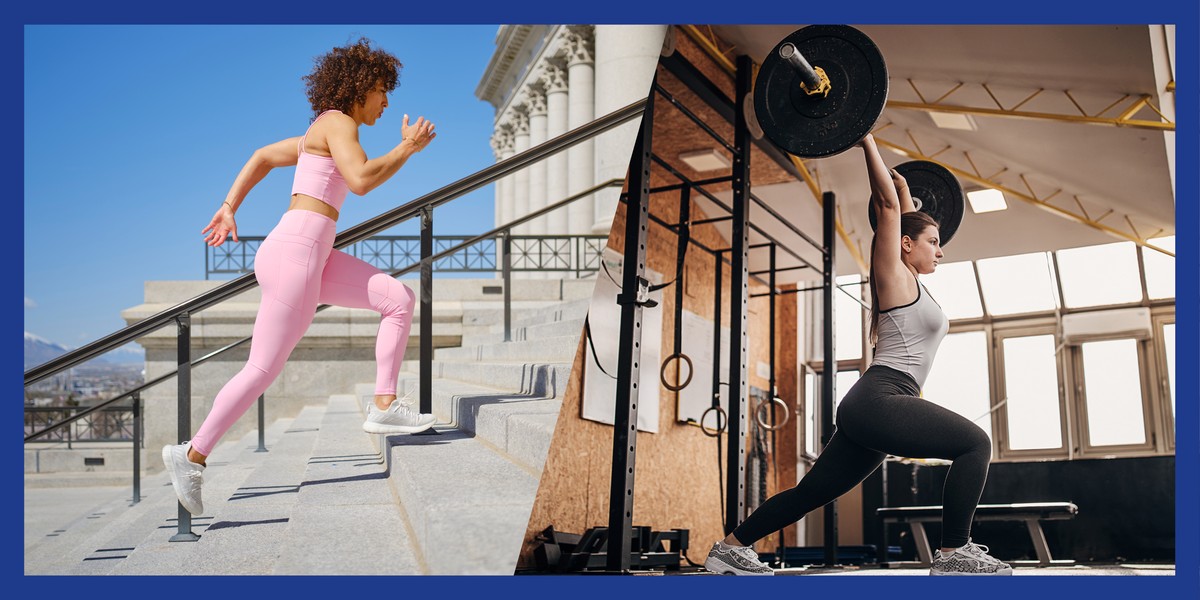
To bulk effectively, you must consume more calories than your body burns, creating a caloric surplus. This fuels intense workouts and allows muscles to rebuild bigger and stronger. Conversely, cutting requires a caloric deficit, reducing intake to shed fat while maintaining muscle mass. This is often paired with strength training and moderate cardio.
Here’s a quick comparison:
Bulking:
* Goal: Muscle gain
* Calories: Surplus
* Training: Heavy lifting
* Risks: Excess fat gain
Cutting:
* Goal: Fat loss
* Calories: Deficit
* Training: Strength + Cardio
* Risks: Muscle loss
How to Decide: Bulk First or Cut First?
The right approach depends on your goals. If strength is the priority, bulking is ideal, providing the energy for intense training. However, if reducing body fat is the immediate focus, cutting is more effective.
“There isn’t really a clear-cut direction women should go,” explains Brian St. Pierre, a performance nutrition expert. “Newer evidence suggests it’s really personal preference. Having enough muscle is important for a whole host of things and can even make fat loss easier.”
Working with a registered dietitian is crucial for creating a safe and effective plan tailored to your body.
Starting a Bulk: Fueling Muscle Growth
A successful bulk requires a strategic approach. First, calculate your maintenance calories – the amount needed to maintain your current weight – using an online calculator. Add 5-10% to this number depending on your experience: beginners can gain muscle rapidly with a 10% surplus, while advanced lifters may need only 5%.
Prioritize nutrient-dense foods like lean proteins, whole grains, and healthy fats. Aim for 1.6 to 2 grams of protein per kilogram of body weight daily (around 109-136 grams for a 150-pound woman).
Strength training is essential. Train major muscle groups 3-4 times weekly, using heavy compound lifts like squats, deadlifts, and bench presses. Monitor your weight weekly, aiming for a gain of 0.25-0.5% of your body weight.
Consistency and patience are key. Bulking can last months, so avoid rushing the process.
Starting a Cut: Trimming Fat While Preserving Muscle
Cutting demands precision. Determine your maintenance calories and subtract 350-400 calories daily. Aim for a moderate deficit to lose 0.5-1% of body weight per week.
Focus on high-fiber, high-protein foods to stay full without excess calories. Continue strength training 2-3 times weekly with moderate weights, and incorporate 2-4 cardio sessions per week, mixing steady-state and high-intensity intervals.
Remember: strength training burns calories even after the workout due to muscle repair. Track your progress, prioritize sleep, and maintain consistency.
Can You Do Both at Once?
Body recomposition – gaining muscle while losing fat – is possible, especially for beginners. It requires a smaller calorie deficit, high protein intake, and consistent resistance training. Progress is slower but can be more balanced.
Losing muscle during a cut is preventable with at least 1.6 grams of protein per kilogram of body weight daily and regular strength training.
Foods to Eat (and Limit)
During bulking: Prioritize lean proteins, whole grains, healthy fats, fruits, and vegetables. Limit processed foods and sugary snacks.
During cutting: Focus on lean proteins, high-fiber vegetables, and smaller portions of complex carbohydrates. Avoid high-calorie beverages, fried foods, and refined carbs.
Ultimately, the most effective path depends on your body and goals. A thoughtful, informed approach with professional guidance will yield the best results.