


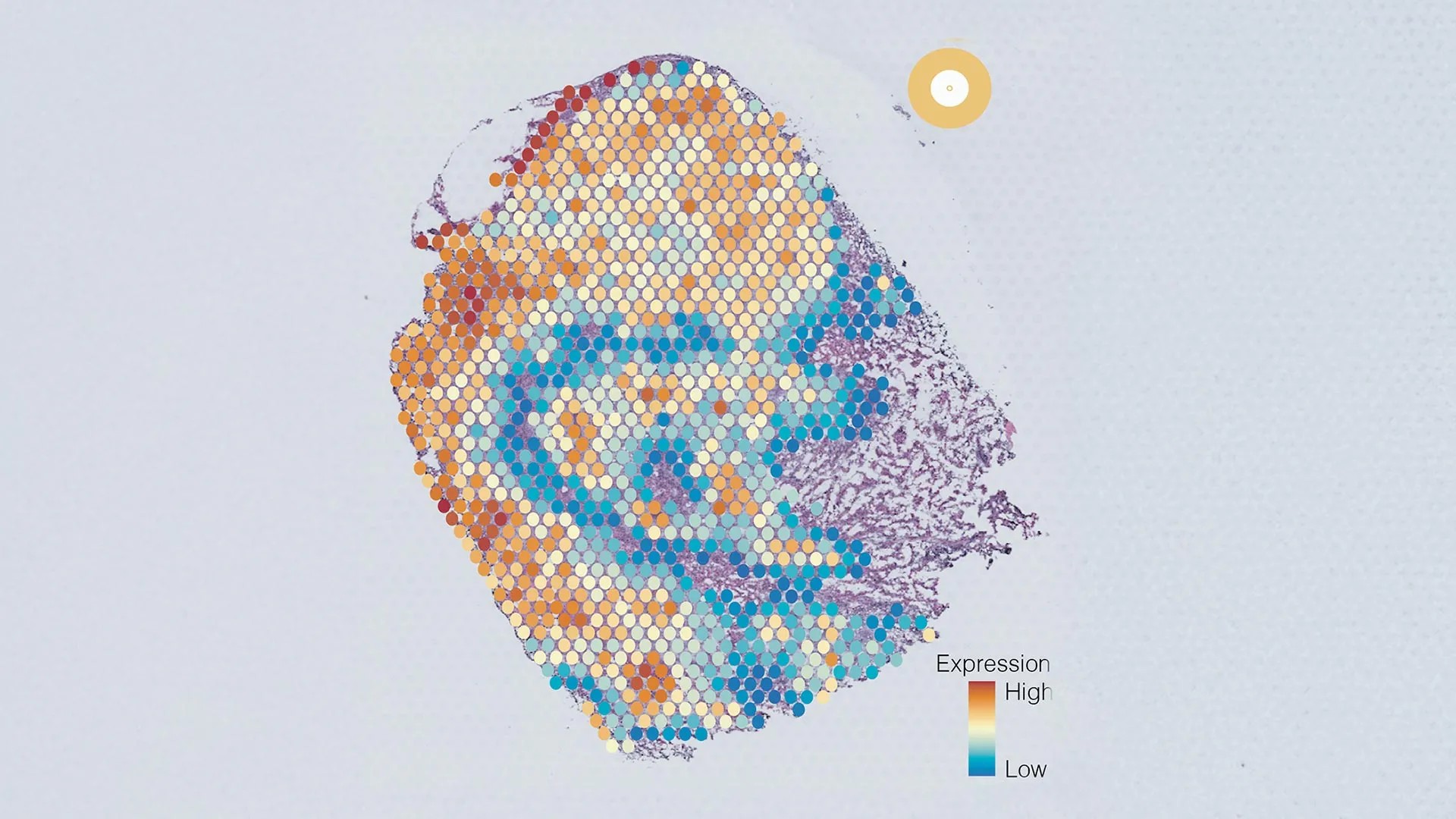
Researchers have developed an artificial intelligence (AI) tool, AAnet, capable of identifying five distinct cell types within tumors – a discovery that could revolutionize cancer treatment. The findings, published in Cancer Discovery, address a critical challenge in oncology: the inherent diversity within tumors. This heterogeneity, where different cells exhibit varying responses to treatment, is a major driver of cancer recurrence and treatment failure.
The Problem with Treating Tumors as a Unit
For decades, cancer treatment has largely operated on the assumption that tumors are homogenous. Patients receive therapies designed to kill the majority of cancer cells based on a shared characteristic, but this approach leaves behind resistant cells that can later fuel relapse. As Associate Professor Christine Chaffer explains, “We treat tumors as if they are made up of the same cell… but not all cancer cells may share that mechanism.” This is why tumors often return, even after initial success.
AAnet: Mapping the Hidden Landscape of Cancer Cells
AAnet is designed to solve this problem by characterizing the previously hidden diversity within tumors. By analyzing single-cell gene expression data from preclinical breast cancer models and human samples, the AI identified five distinct “archetypes” of cancer cells. Each archetype exhibits unique biological pathways, growth patterns, and markers associated with poor prognosis.
“Our study is the first time that single-cell data have been able to simplify this continuum of cell states into a handful of meaningful archetypes… This could be a game changer,” states Associate Professor Smita Krishnaswamy, who led the AI tool’s development at Yale University.
How the New Classification Will Change Cancer Treatment
The ability to categorize cells within tumors opens the door to more precise and effective therapies. Instead of broad-spectrum treatments, doctors can now envision designing combination therapies that target each archetype based on its specific biological vulnerabilities. This approach, supported by the AI’s ability to predict cell behavior, has the potential to drastically improve patient outcomes.
Currently, treatment decisions are based on the cancer’s origin (breast, lung, etc.) and molecular markers. AAnet introduces a new layer of complexity by revealing that even within the same tumor, cells can behave fundamentally differently. Researchers envision a future where AI analysis complements traditional diagnoses to create highly personalized treatment plans.
Beyond Breast Cancer: The Potential of AAnet
While the initial research focused on breast cancer, the technology is applicable to other cancers and even autoimmune disorders. The AI’s ability to identify meaningful patterns in single-cell data could unlock new insights into a wide range of diseases. The tool’s creators emphasize that the underlying technology is already mature enough for clinical implementation.
This breakthrough marks a significant step towards overcoming cancer’s ability to evade treatment. By finally acknowledging and characterizing tumor heterogeneity, researchers are arming clinicians with the tools to target every cell within a patient’s unique cancer, dramatically improving the odds of long-term remission.


