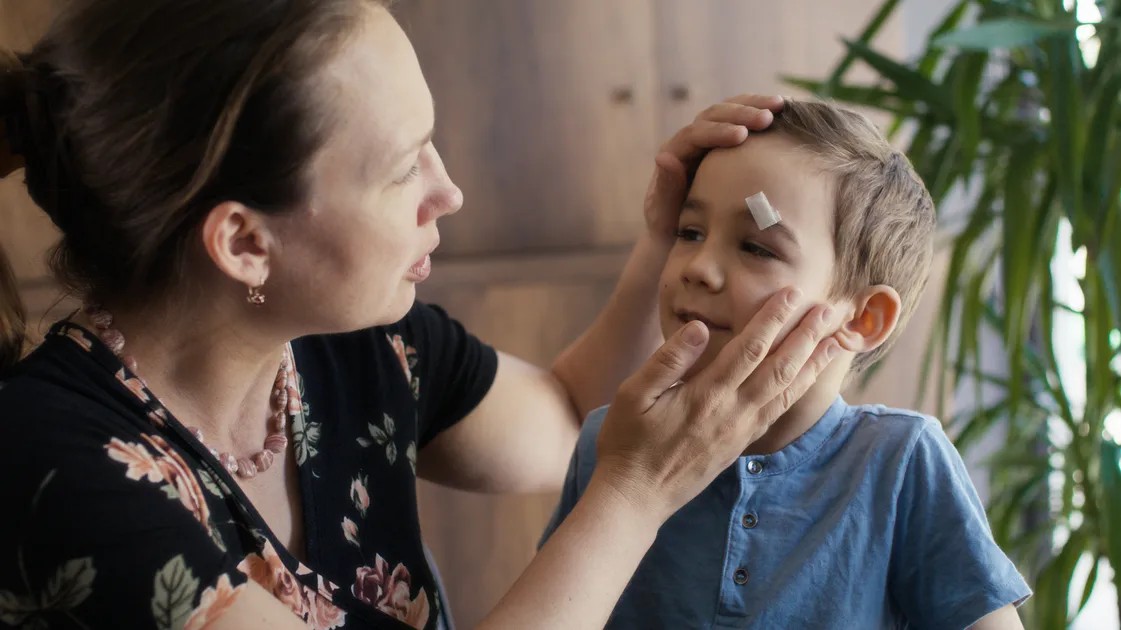
Many adults struggle with patterns of self-doubt, difficulty in relationships, or a relentless need for external validation without understanding the root cause. Often, these issues stem from unresolved emotional dynamics with a primary caregiver – what psychologists now refer to as the “mother wound.” This isn’t about blaming mothers, but acknowledging how unmet emotional needs in childhood can create lasting patterns of insecurity and dysfunction in adulthood.
What is the Mother Wound?
The term refers to the emotional imprint left by early relationships, primarily with the mother figure (though it can extend to any primary caregiver). This impact isn’t always obvious. A seemingly “good” relationship doesn’t preclude a wound; it’s about whether your emotional needs were consistently met. Core themes include feelings of unworthiness, difficulty with emotional attunement, chronic people-pleasing, and a deep-seated fear of abandonment. In adults, these wounds manifest as over-functioning in relationships, struggling to set boundaries, or an internalized sense of self-criticism.
The Roots of the Wound
The mother wound develops when a child’s emotional needs are consistently ignored or invalidated. This can take various forms: emotional unavailability, harsh criticism, conditional affection, or even being forced into a parental role at a young age. Importantly, this isn’t necessarily malicious intent on the mother’s part; many caregivers operate from their own unresolved trauma or lack the emotional maturity to provide what a child needs.
The wound is particularly severe when emotional neglect or abuse is present. Emotional neglect – where a child’s feelings are dismissed or ignored – can be more damaging than overt abuse because it’s subtle, leaving lasting but often unseen scars. Emotional abuse, involving shaming, punishing, or otherwise harmful behaviors, creates direct trauma. The key takeaway is this: the wound exists within the adult, not necessarily in the mother herself.
Signs in Adulthood
The effects of the mother wound are most apparent in relationships. Common signs include:
- Taking responsibility for others’ emotions: Feeling compelled to fix everyone’s problems.
- Cravings for approval: Seeking validation from external sources instead of self-worth.
- Attracting emotionally unavailable partners: Repeating patterns of detachment and instability.
- Excessive apologizing: Even when not at fault, to avoid conflict or rejection.
- Difficulty setting boundaries: Feeling guilty for prioritizing own needs.
- A pervasive sense of scarcity: Believing love must be earned, not freely given.
- Deep-rooted self-doubt: Constantly questioning one’s value and abilities.
- Emotional dysregulation: Intense reactions to perceived rejection or abandonment.
In severe cases, emotional abuse or neglect can manifest as chronic anxiety, dissociation, self-harm, or a complete disconnect from one’s own body and feelings. These patterns are often linked to insecure attachment styles: either avoidant (self-sufficient but hesitant to connect) or anxious (clingy and fearful of abandonment).
Healing the Wound
Healing isn’t about blaming or confronting the mother figure; it’s about reclaiming your life. Key steps include:
- Recognizing childhood patterns: Identifying how those dynamics play out in current relationships.
- Emotional differentiation: Learning to separate your identity from old roles.
- Boundary setting: Practicing self-trust and asserting needs without guilt.
- Self-reparenting: Providing the emotional care you lacked as a child.
- Therapy with an attachment-focused practitioner: Working through trauma and reshaping attachment patterns.
The first step is simple: notice when you over-function, shrink yourself, or feel guilt around boundaries. Start small, prioritizing your needs one step at a time. Healing the mother wound also requires self-compassion. Many people carry shame around criticizing their mothers, but acknowledging the pain is essential for breaking intergenerational patterns.
Ultimately, healing is about recognizing that you deserve love and wholeness regardless of past experiences. The goal is not to villainize a parent, but to repair a wounded self-image and move toward authentic freedom.