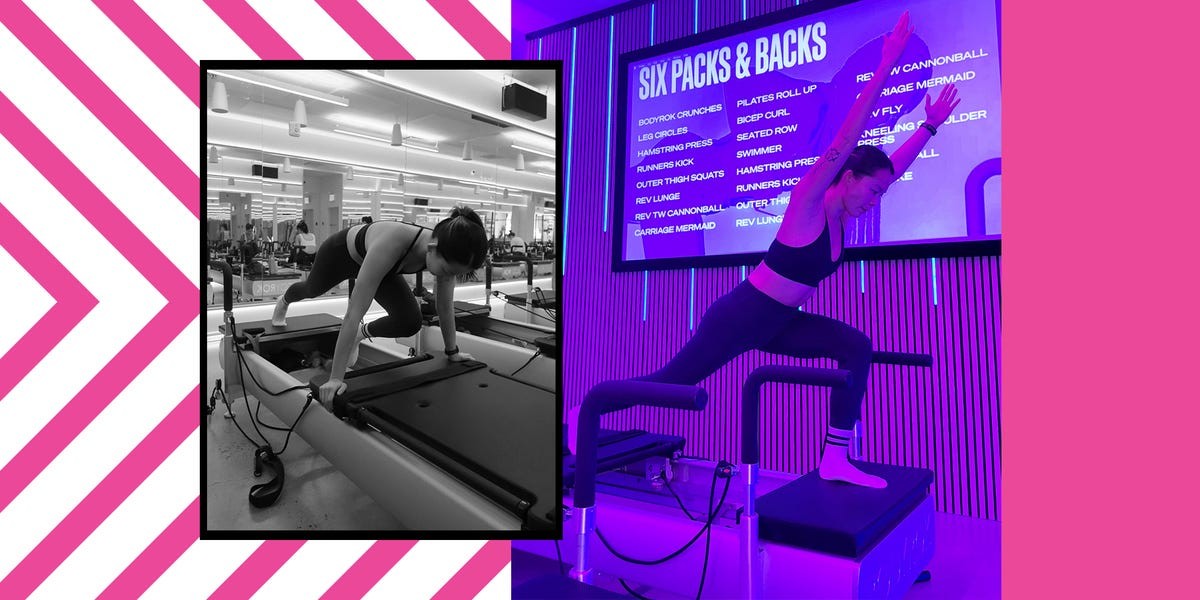
Pilates has gained significant attention recently, and for good reason. As an orthopedic physical therapist and trainer with years of experience, I’ve seen firsthand how this discipline delivers on its promises. My own journey with endometriosis and chronic pain led me to discover Pilates’ surprising effectiveness, and now I recommend it to clients seeking holistic health improvements.
The Personal Impact: From Chronic Pain to Enhanced Performance
For years, I managed severe endometriosis symptoms – debilitating periods, bloating, and pelvic pain – alongside an active lifestyle. Surgery helped, but I knew research suggested low-impact exercise could further alleviate inflammation, boost circulation, and reduce pain. Reluctantly, I tried reformer Pilates, and the results were transformative. Within months, my energy levels improved, menstrual pain decreased, and my overall quality of life soared. I continued running and weightlifting, but Pilates became essential for managing inflammation and strengthening my core.
The Science-Backed Benefits of Pilates
Pilates isn’t just another fitness trend; it’s a method backed by growing scientific evidence. Here’s why it works:
Stronger Core: Pilates uniquely targets deep core muscles – the transverse abdominis and rectus abdominis – providing a foundation for stability in every movement. This isn’t just about aesthetics; a strong core protects against injury, especially when lifting heavy weights. A 2023 study in Healthcare confirms this link between core strength and injury prevention.
Improved Flexibility and Mobility: Controlled movements lengthen muscles and increase joint range of motion. Research in the Journal of Bodywork and Movement Therapies shows just six weeks of Pilates can improve functional mobility, making everyday tasks easier.
Better Posture: Prolonged sitting and screen time wreak havoc on posture, but Pilates counteracts this by strengthening the core and upper back, stabilizing shoulders, and opening the chest. A 2024 review in Archives of Rehabilitation Research and Clinical Translation demonstrates posture improvements after just eight weeks.
Enhanced Strength and Endurance: Pilates is a full-body workout, especially when using a reformer, building strength from head to toe. A 2025 trial found measurable gains in muscle mass, grip strength, and body composition after eight weeks of reformer Pilates. It also boosts muscular endurance, critical for sustained physical activity.
Mental Well-Being: Pilates connects breath, focus, and movement, promoting mindfulness and reducing stress. Research in Healthcare (2025) shows just one hour of Pilates per week for three months can improve anxiety, depression, and overall stress levels.
Accessibility and Adaptability
Pilates is for everyone, regardless of age or fitness level. While reformer classes can be pricey, effective routines can be done with just a mat, sliders, foam rollers, or towels. The core principles – controlled movement, breathwork, and focused engagement – remain the same.
Pilates isn’t a cure-all, but it’s a powerful tool for building strength, improving mobility, protecting against injury, and enhancing mental well-being. The hype is justified: this discipline delivers measurable results for anyone willing to put in the work.