
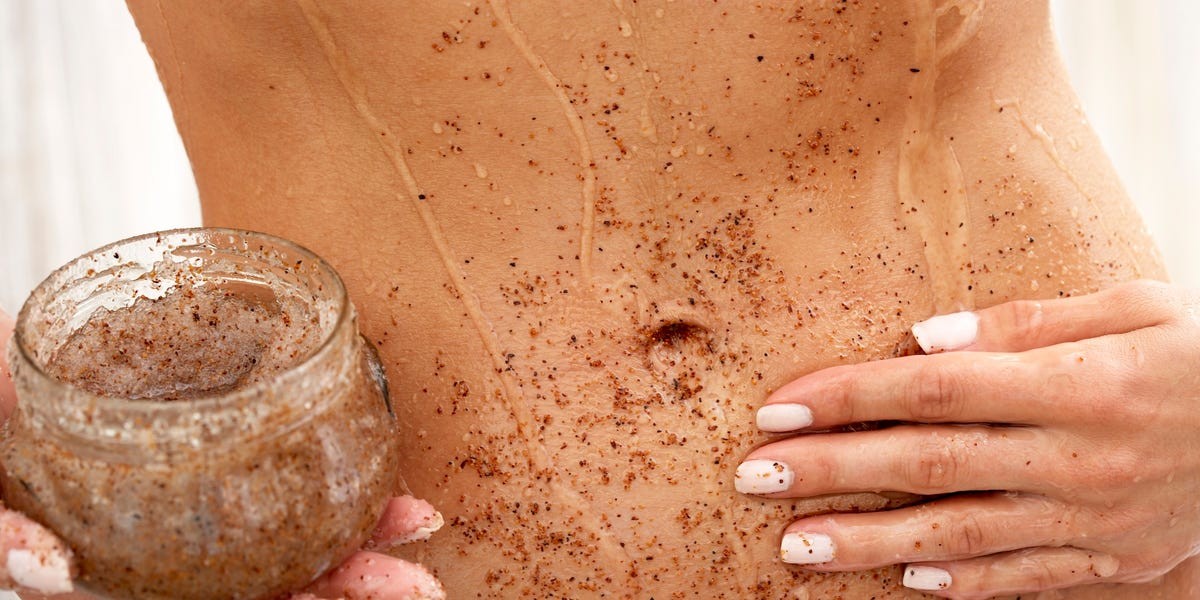
Dry, flaky skin is a common winter complaint. But the solution isn’t necessarily more lotion; it’s smarter exfoliation. Dermatologists agree that gentle, consistent exfoliation is key to maintaining skin health during cold weather when indoor heating and low humidity strip moisture faster than the body can replenish it. This isn’t just about aesthetics; a healthy skin barrier protects against further damage and improves moisturizer absorption.
Understanding Exfoliation Methods
There are two primary approaches: chemical and physical.
- Chemical exfoliants use acids (AHAs like glycolic and lactic acid, or BHAs like salicylic acid) to dissolve dead skin cells. They are more controlled and often better tolerated long-term, but overuse can irritate sensitive winter skin.
- Physical exfoliants (scrubs, mitts, brushes) manually remove dead cells. These work instantly but carry a higher risk of damaging the skin barrier if too abrasive.
Dermatologists recommend chemical exfoliation as the preferred method for most people in winter due to its gentler, more consistent action. However, combining both is possible; some products (like certain cleansing foams paired with exfoliating mitts) offer the benefits of both approaches.
Technique Matters: Wet vs. Dry Exfoliation
Experts generally advise exfoliating after washing. Cleansing removes oils and debris, allowing the exfoliant to work directly on the skin. Wet exfoliation provides slip, reducing friction and irritation. Dry exfoliation (like dry brushing) is more intense but can be too harsh for sensitive skin. If dry exfoliating, follow immediately with a soothing moisturizer.
Frequency: Less Is More
Over-exfoliating is a common mistake. Dermatologists suggest limiting exfoliation to two or three times per week, adjusting based on skin sensitivity and product strength. Daily exfoliation is only appropriate with ultra-mild formulas, and even then, listening to your skin is crucial.
Special Cases: Eczema, Psoriasis, and Rough Areas
Individuals with eczema or psoriasis should avoid exfoliating open sores or raw skin. For sensitive skin, once a week or every other week is safer. Super-rough areas (hands, knees, heels) benefit from stronger treatment. Dermatologists recommend lotions with up to 40% urea for these spots, as urea both exfoliates and hydrates simultaneously. Physical scrubs can be used on thicker skin (elbows, knees), but with gentle pressure.
The Bottom Line
Effective winter exfoliation isn’t about harsh scrubbing; it’s about understanding your skin and choosing the right method with a controlled approach. Gentle chemical exfoliation, combined with proper technique and frequency, delivers smoother, brighter skin without compromising the barrier.