
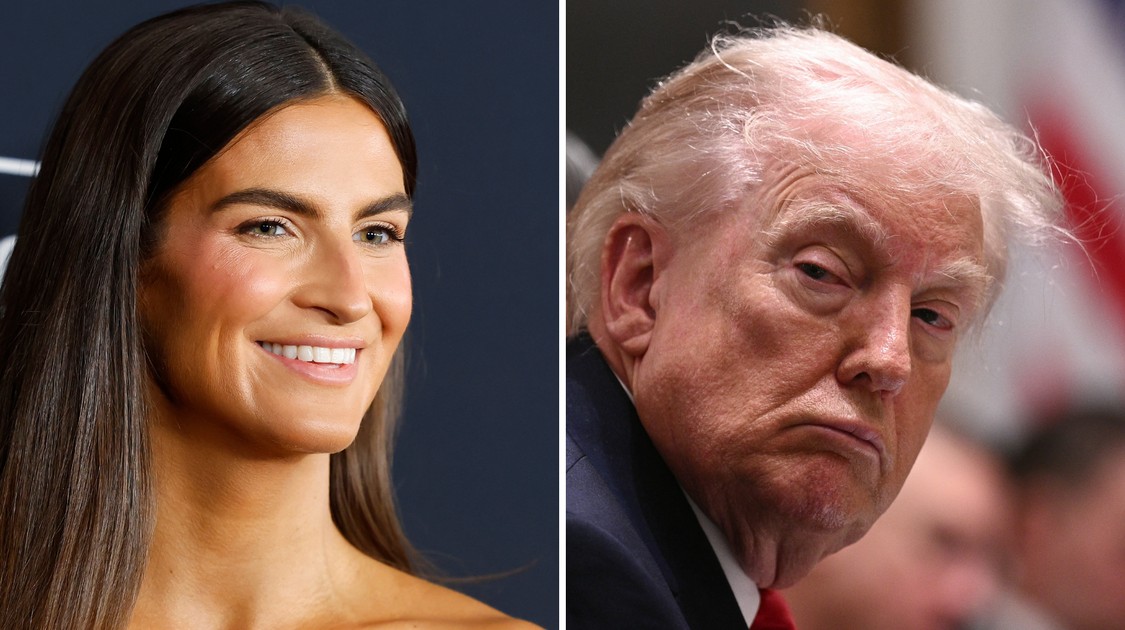
The recent confrontation between CNN’s Kaitlan Collins and President Trump underscored more than just political tension; it showcased a masterclass in nonverbal resilience. While Trump’s aggressive response to a question about Jeffrey Epstein’s victims sparked outrage, Collins’ body language revealed crucial tactics for navigating hostile interactions. According to body language expert Patti Wood, Collins demonstrated behaviors that are useful in any situation where you’re being aggressively challenged.
The Power of Posture
One of the most immediate strengths Collins displayed was her upright posture. Research from Psychological Science confirms that “expansive postures” – standing tall and maintaining a strong presence – correlate with increased confidence and risk appetite. Unlike many who might shrink under pressure, Collins stood firmly, neither leaning back in submission nor forward in aggression. Wood observes this is a deliberate contrast to the fear-driven postures seen in many press briefings.
Maintaining Vocal Control
During the exchange, Collins’ voice remained remarkably steady despite the barrage of criticism. A key indicator of strength lies in how you speak, not just what you say. Rapid speech, trembling tones, or excessive pauses betray vulnerability. Collins avoided these pitfalls, keeping her voice even and consistent. This regulated demeanor is a clear signal of control, even under intense pressure.
De-escalation Without Retaliation
Collins also employed subtle de-escalation tactics. Wood noted that Collins used sweeping hand gestures that intuitively aimed to calm Trump, rather than mirroring his hostility. These movements, performed with fluidity and strength, signaled confidence without escalating the confrontation. The key is to project composure, not react impulsively.
Letting Aggressors Reveal Themselves
Finally, the exchange highlighted Trump’s predictable pattern of attack when feeling challenged. Experts note that his behavior – including the setting (desk in Oval Office surrounded by team) – defies traditional presidential decorum. In this case, Collins allowed Trump to expose his own patterns, and in doing so, demonstrated an ability to remain focused on the substance of the question, even under personal assault.
“A hit dog will holler.” This dynamic is a reminder that aggressors often reveal themselves most clearly when pressured.
The exchange serves as a practical lesson: by controlling posture, voice, and reaction, individuals can withstand aggressive behavior without escalating conflict. The real takeaway isn’t about the political context, but the psychological tools demonstrated for handling confrontation with strength and composure.