Dry, itchy scalps are a common winter problem, often worsened by indoor heating, hot showers, and cold air. While many reach for body moisturizers, the scalp is easily overlooked. Dermatologists explain that colder weather makes it harder for skin—including the scalp—to retain moisture. This can lead to both simple dryness and more persistent conditions like seborrheic dermatitis, an inflammatory skin condition that causes flaky, itchy skin.
Why Winter Worsens Scalp Issues
The body constantly adapts to its environment. Lower humidity in winter makes it harder for skin to stay hydrated. Indoor heating and long, hot showers strip away natural oils, while harsh winds damage the skin barrier. According to Dr. Elyse Love, a New York City dermatologist, the combination of these factors leads to drier, more irritated scalps.
The situation is further complicated by the fact that dryness and overproduction of oils can both cause similar symptoms. A truly dry scalp lacks oil production, while seborrheic dermatitis occurs when the scalp overcompensates by producing too much oil. The distinction can be hard to make without a professional diagnosis. Stress can exacerbate both conditions.
How to Treat a Dry or Irritated Scalp
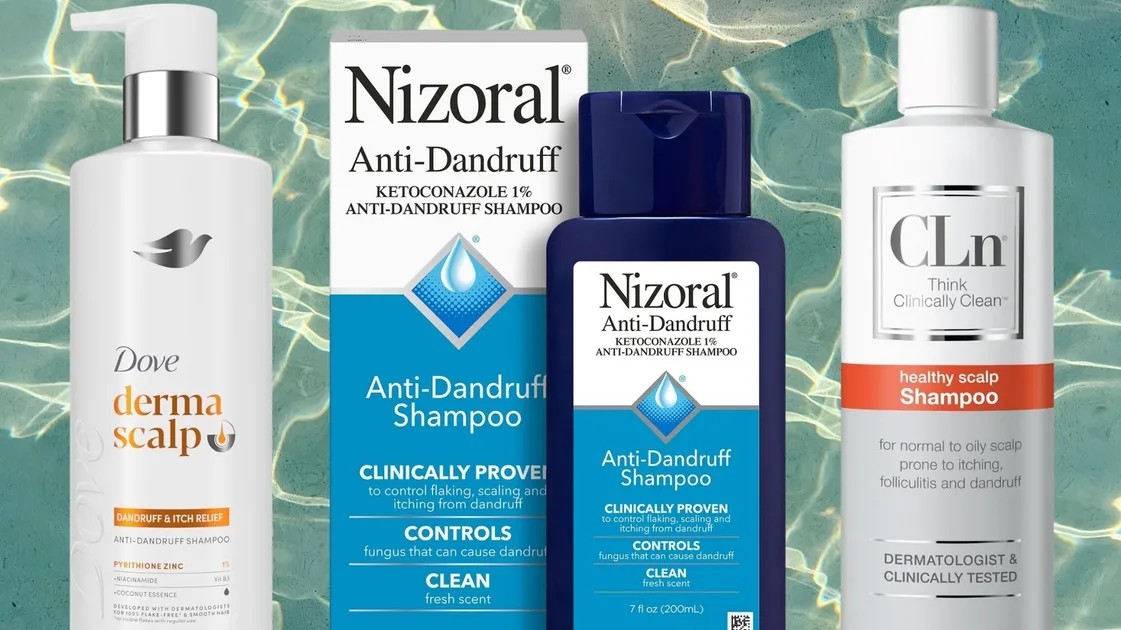
Dermatologists recommend specific shampoos to help alleviate both dryness and inflammation. These should be left on the scalp for 3-5 minutes before rinsing, followed by a hydrating conditioner. If over-the-counter products don’t provide relief, consulting a board-certified dermatologist is recommended.
The key is consistent care. The best approach is not just treatment but prevention: shorter, cooler showers, and avoiding harsh drying conditions. If you find yourself experiencing chronic dryness or irritation, seeking professional advice is the most effective route.