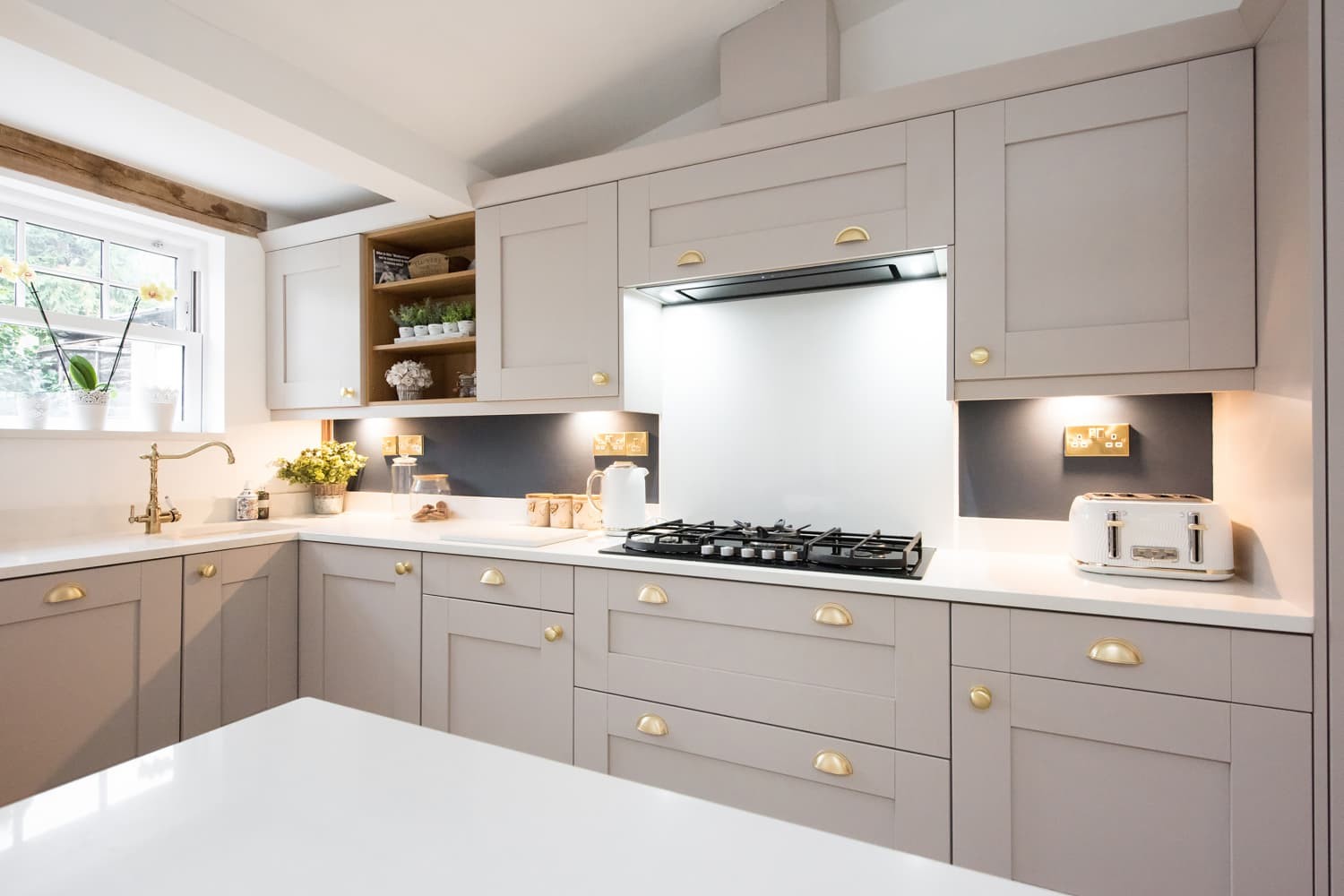
Designers and real estate experts agree: the sleek, high-contrast kitchens of the past decade are losing appeal. The trend for 2026 is shifting towards warmth, texture, and a more lived-in feel. This change reflects a broader desire for homes that feel soulful and inviting, rather than sterile showrooms.
The Decline of Glossy Quartz and Cool-Toned Surfaces
For years, polished quartz countertops and cool-toned finishes like flat grays and glossy laminates dominated kitchen design. However, these materials now read as flat and impersonal. As Umair Kabani, a real estate developer, notes, “The glossy, high-contrast quartz…makes kitchens feel more like showrooms than lived-in spaces.” This shift is already visible in high-end real estate shows, where stark slabs are being replaced by warmer alternatives.
Experts also warn against outdated materials. Brown granite, popular in the late 1990s and early 2000s, is considered a quick way to date a kitchen. Libby Fehsenfeld, a professional stager, advises avoiding “any of the speckled granite in the brown family.”
Overexposure to Polished Brass
Bright, polished brass, once a staple in kitchen hardware, is now seen as oversaturated. Yena Jung, an interior designer, observes that brass has been used “everywhere…including cabinetry pulls, lighting, faucets, even door hardware,” leading to a feeling of fatigue.
The Rise of Natural Stone and Warm Metals
Instead of reflective surfaces, designers are advocating for textured, non-reflective materials. Travertine and leathered limestone are gaining traction for their ability to diffuse light and add depth. Kabani explains that these finishes “make a kitchen feel like a space where stories happen, not just where appliances live!”
For those seeking durability and glamour, quartzite is emerging as the new go-to stone. Jessica Shaw, an interior design director, describes it as the perfect blend of “high-performing real stone with a bit of glamour” in line with a “warm minimalism” aesthetic.
The move away from polished brass also extends to metal finishes. Jung recommends “burnished antique and champagne nickel,” which offer a more nuanced and sophisticated look that blends old-world warmth with modern design.
This shift in kitchen trends signals a broader move away from cold, minimalist interiors towards spaces that prioritize comfort, character, and a sense of timelessness.
Ultimately, the key takeaway for homeowners planning renovations is to prioritize materials that feel tactile, inviting, and reflective of a lived-in lifestyle. The days of sterile, showroom-like kitchens are numbered.